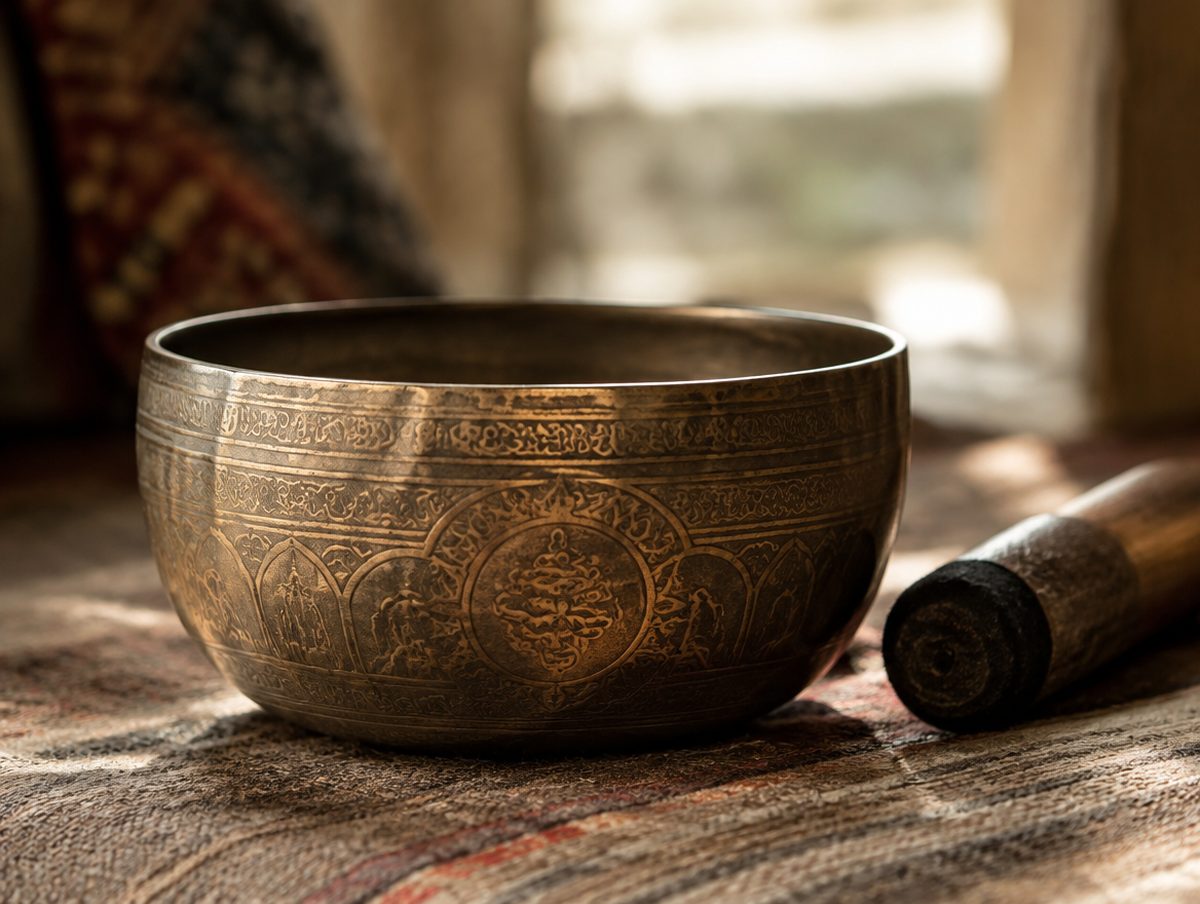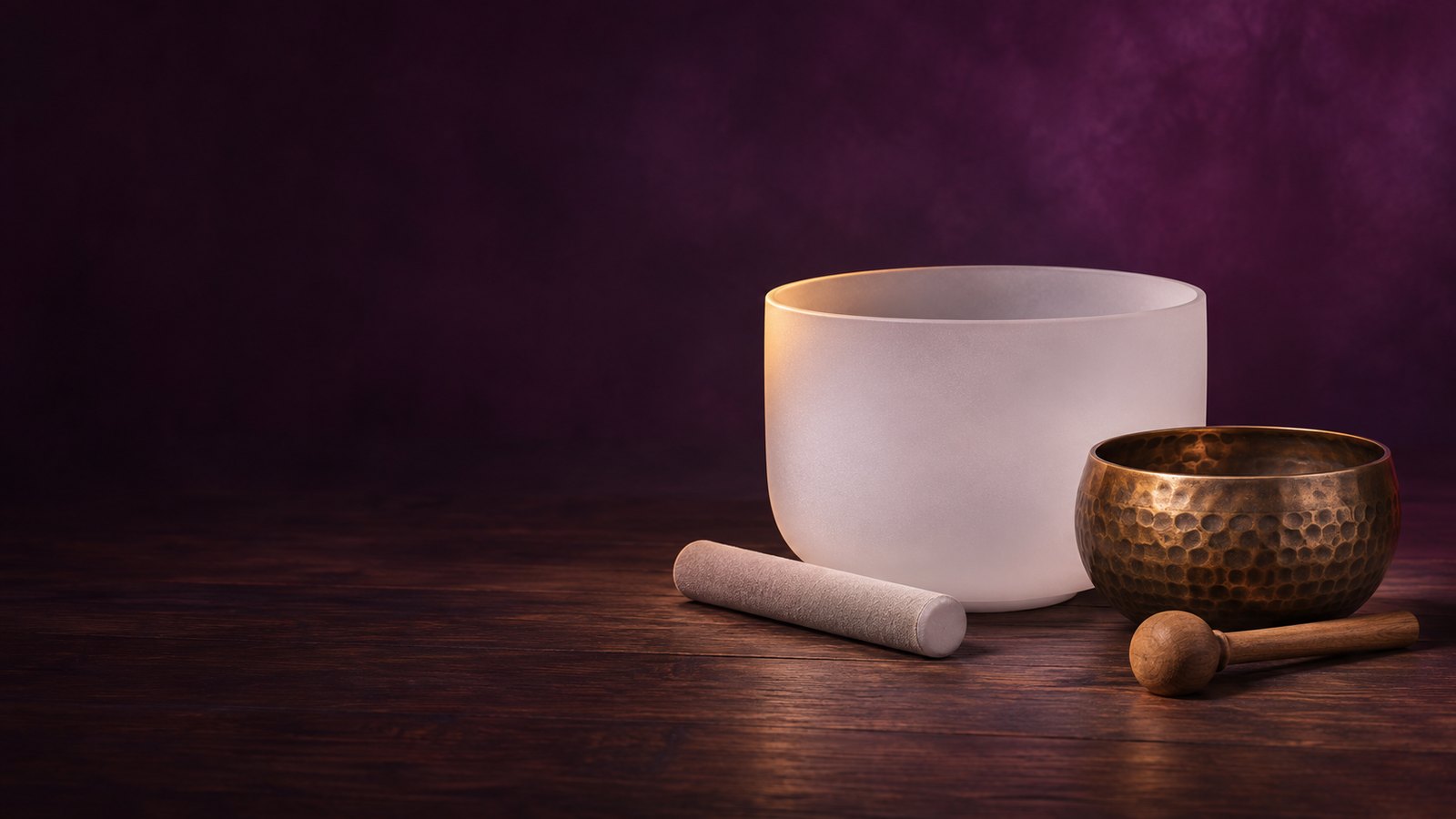
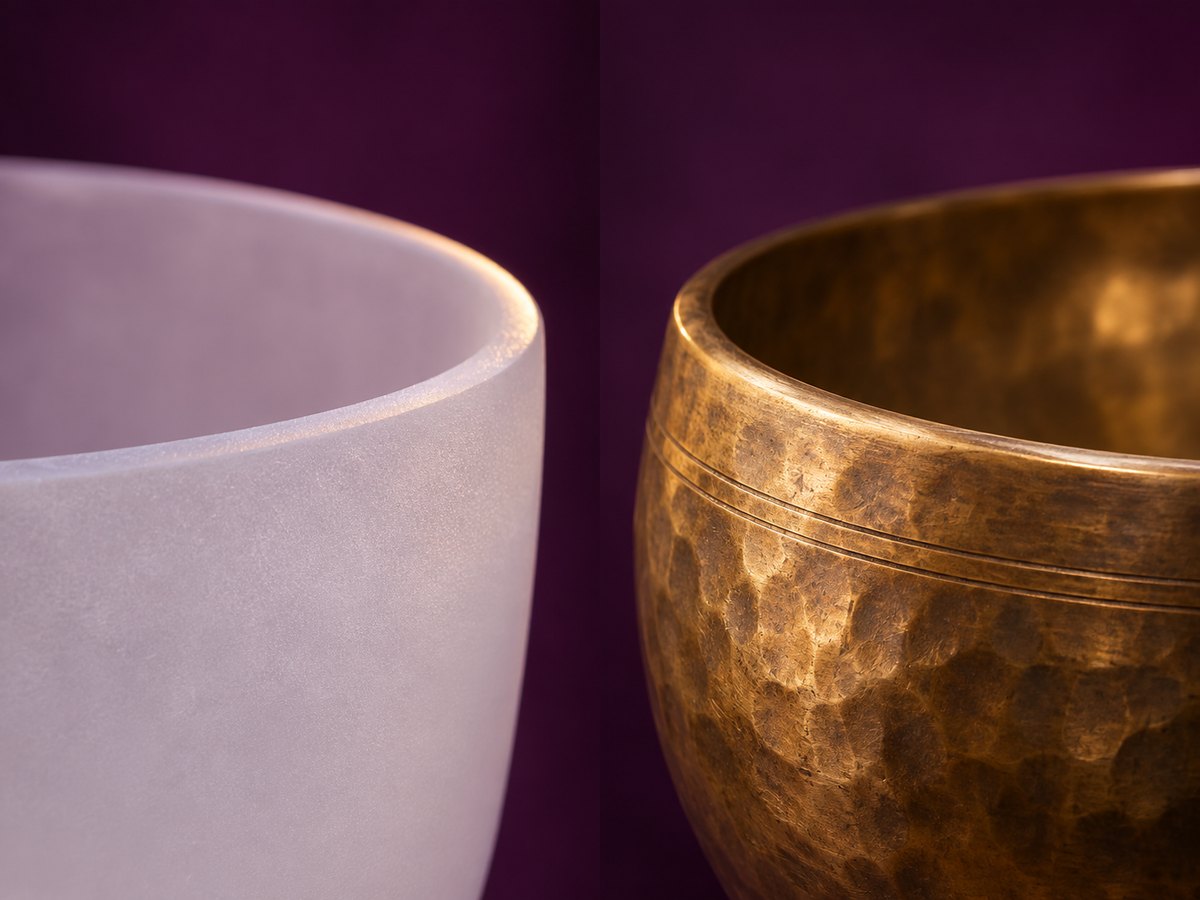
Strike a frosted quartz bowl and a hammered bronze bowl once each and you will hear the whole debate. The quartz bowl gives one big, clear note that seems to hang in the air. The bronze bowl answers with a warmer, busier sound, several tones at once, gently wobbling against each other. Neither is the "right" sound. Here is what actually separates them, so you can choose with your ears.
Crystal singing bowl vs Tibetan singing bowl at a glance
- Material. Crystal bowls are fused quartz, a form of silica glass. Metal bowls sold as "Tibetan" are usually bronze, an alloy of copper and tin, or sometimes cheaper brass.
- Sound. Quartz: a strong, steady note with a long ring. Bronze: a layered blend of overtones with a slow, pulsing shimmer.
- Durability. Quartz can crack if dropped or knocked. Bronze can dent but rarely breaks.
- Tuning. Quartz bowls are usually sold by note. Hand-hammered metal bowls land wherever their shape puts them.
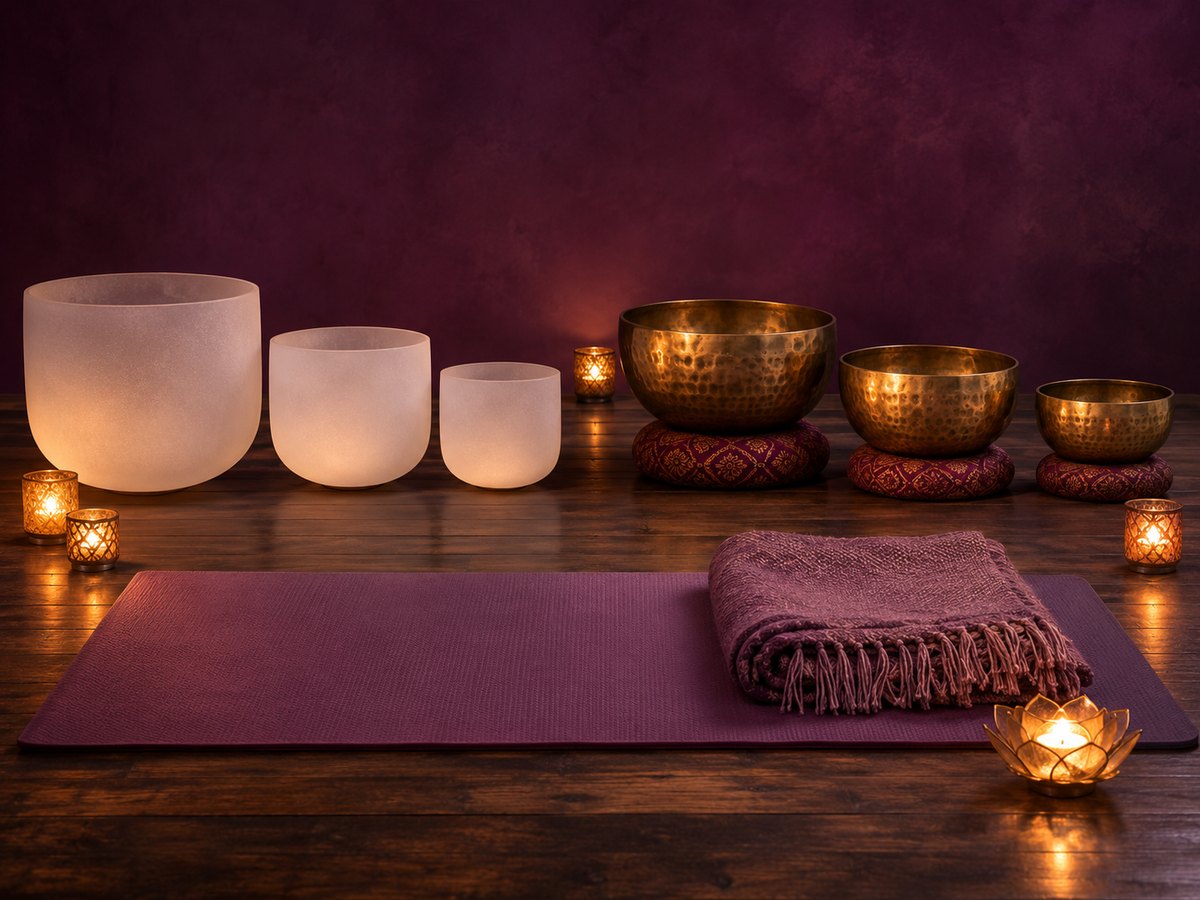
What each bowl is made of, and how
Crystal bowls: fused quartz
Despite the name, a crystal singing bowl is not carved from a single crystal. According to Raven Sounds' guide to singing bowl materials, crystal bowls are fused quartz: silica sand melted at roughly 4,000 degrees Fahrenheit in a spinning mold for frosted bowls, or formed from quartz tubing for clear bowls, with manufacturers citing silica purities above 99.8%. Kripalu's guide to singing bowls calls frosted crystal bowls "a modern phenomenon" and notes that clear bowls can take on color when gemstones are added to the quartz.
That is how "alchemy" or gemstone-infused bowls are made, and they sound a little different from plain frosted bowls, as you will see below.
Metal bowls: bronze and brass
The same Raven Sounds guide says traditional metal bowls are made of bell-metal bronze, roughly 78% copper and 22% tin. You will often read that they contain "seven sacred metals," one for each classical planet. The Wikipedia article on standing bells, the instrument family singing bowls belong to, reports that a 1996 analysis of two bowls by Concordia University found them to be essentially bell metal, with only small traces of other metals consistent with impurities and no gold or mercury detected. Brass bowls, made of copper and zinc, are cheaper and, per Raven Sounds, tend to sound brighter and fade sooner.
The classic method, per the same article, is to cast the molten metal and then hammer it by hand, though modern bowls may also be machine-lathed. Hand hammering leaves the wall slightly uneven, and that unevenness is a big part of the metal bowl's voice.
Is a "Tibetan" bowl from Tibet? Usually not. The Wikipedia article notes that historical accounts of Tibetan music are silent about singing bowls and that many bowls marketed as Tibetan come from northern India or Nepal. Read the label as a style name, and ask where a bowl was actually made.
How they sound: pure tone vs layered overtones
Every bowl rings with a fundamental, the main note you would name, plus a set of quieter, higher partials or overtones. The balance between them is what gives each bowl its character.
Raven Sounds' frequency guide explains why metal bowls shimmer: handwork leaves tiny asymmetries in the wall, and each mode of vibration splits into a close pair of frequencies. The slow beating between each pair is the gentle warble you hear in a good bronze bowl. Crystal bowls, by the same guide's account, tend to produce a strong, steady fundamental with a long sustain, often a minute or more from a single strike.
A spectral comparison of 14 bowls published by The Ohm Store, a singing bowl retailer, put numbers on that difference. Frosted crystal bowls showed only two or three significant partials and no internal beating; clear crystal bowls showed three to eight; gemstone-infused alchemy bowls showed ten to twelve with gentle beating; and hand-hammered bronze bowls showed the most of all, with every mode splitting. Their conclusion: a continuum, not a ranking.
In plain terms: choose crystal if you love a clean, singing note that fills a room; choose metal if you love a warm, complex sound; and consider an alchemy bowl if you want crystal clarity with a little more color in the tone. Pitch is set mostly by size; Raven Sounds notes that wider bowls ring lower.
Crystal bowl vs Tibetan singing bowl: price, care and fragility
Price
For the same width, metal usually costs less. Instruments du Monde, a European instrument seller, notes that small metal bowls can cost about half what a crystal bowl of the same diameter does. Prices climb fast at both ends: large or antique bronze bowls, and big, precisely tuned or gemstone-infused quartz bowls, both reach serious money. In crystal you pay for tuning accuracy and finish; in metal, for the alloy and the handwork.
Fragility and weight
This is the biggest practical difference. According to Instruments du Monde, crystal bowls weigh two to three times as much as a metal bowl of the same diameter, and a drop of 12 to 24 inches onto the floor will often crack or break one. A dropped metal bowl may dent, but usually survives. Sacred Crystals' care guide makes a useful point here: quartz is hard, but hardness is not the same as toughness, so a crystal bowl can still chip if it is knocked against something hard or struck too forcefully.
Caring for a crystal bowl
- Always set it on its O-ring or a soft cushion. Sunreed, a crystal bowl maker, warns that contact with hard surfaces can cause buzzing or, rarely, cracks.
- Tap lightly, and let it reach room temperature before playing if it has come from a very cold or hot place, as Sunreed recommends.
- Clean gently with a soft cloth, or mild soap and warm water if needed, then dry fully. No dishwasher, no scrubbers.
Caring for a metal bowl
Wipe it with a soft, dry cloth. Sacred Crystals notes that moisture left on some metal surfaces can lead to tarnish, and that many bowls have an intentional patina, so don't experiment with polish on a finish you don't know.
How to choose the right bowl for you
Ask yourself four questions before you buy.
- Where will it live? A crystal bowl wants a permanent, stable spot away from busy hands, pets and the edge of a table. A metal bowl is happier being moved around.
- How loud is your space? Crystal bowls are loud and carry far. In an apartment or a small bedroom, a medium metal bowl may suit you better.
- One bowl or a set? If you picture several bowls played together, quartz makes it easy to build a set in specific notes. Many people arrange a seven-bowl set from a low C for the root chakra up to a B for the crown, following chakra tradition.
- What do you love to hear? This matters most. Listen to recordings of real bowls, or better, play some in person, and buy the sound that makes you want to keep listening.
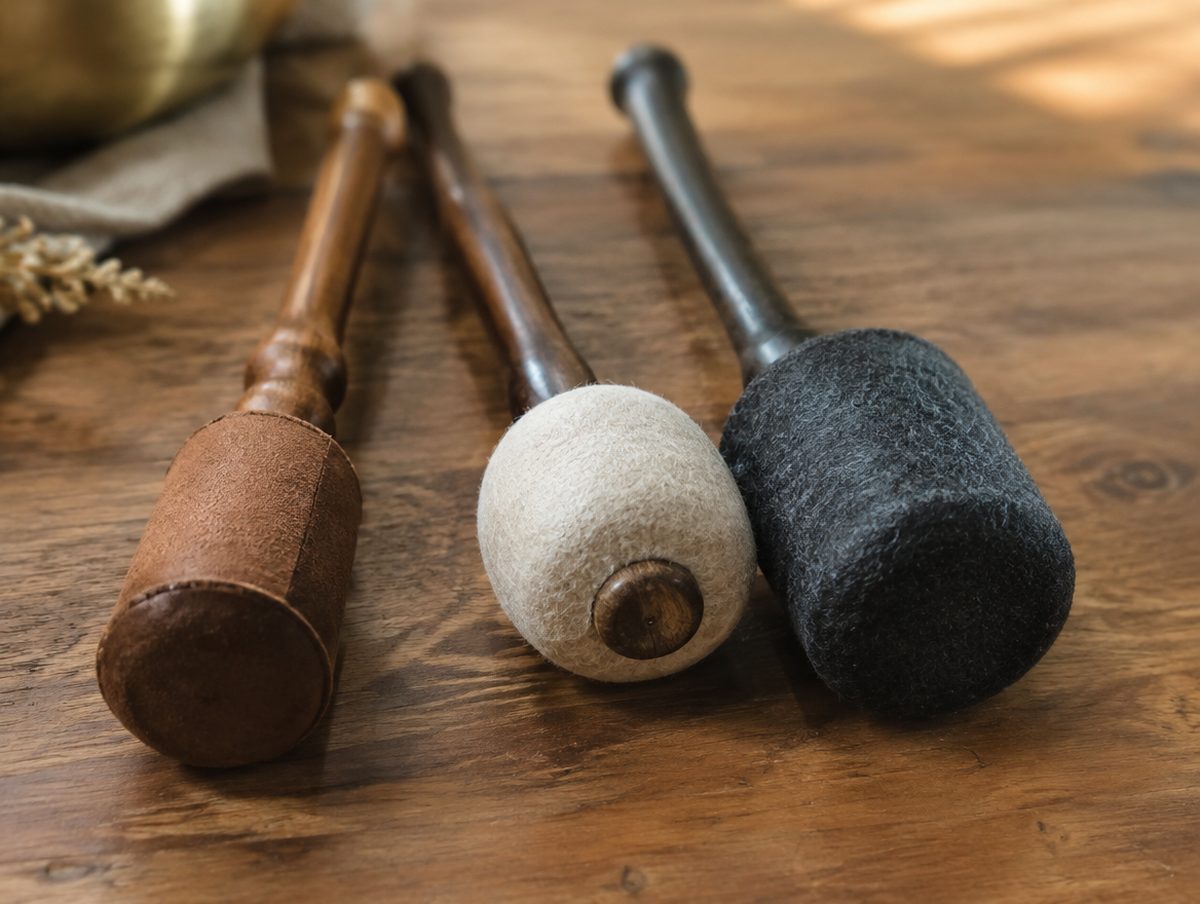
If you are leaning toward crystal, you can hear real recorded strikes from the bowls of Resonance Reset, the maker we partner with, in our crystal singing bowl room. According to the maker, each of its bowls is handcrafted to order with gemstone infused into the quartz, measured individually and tuned within 0 to 5 cents of its pitch, at 432 Hz or 440 Hz as you prefer. You can see the full collection in our bowl shop. If you are leaning toward metal, our beginner's guide to singing bowls covers sizes, mallets and what to listen for.
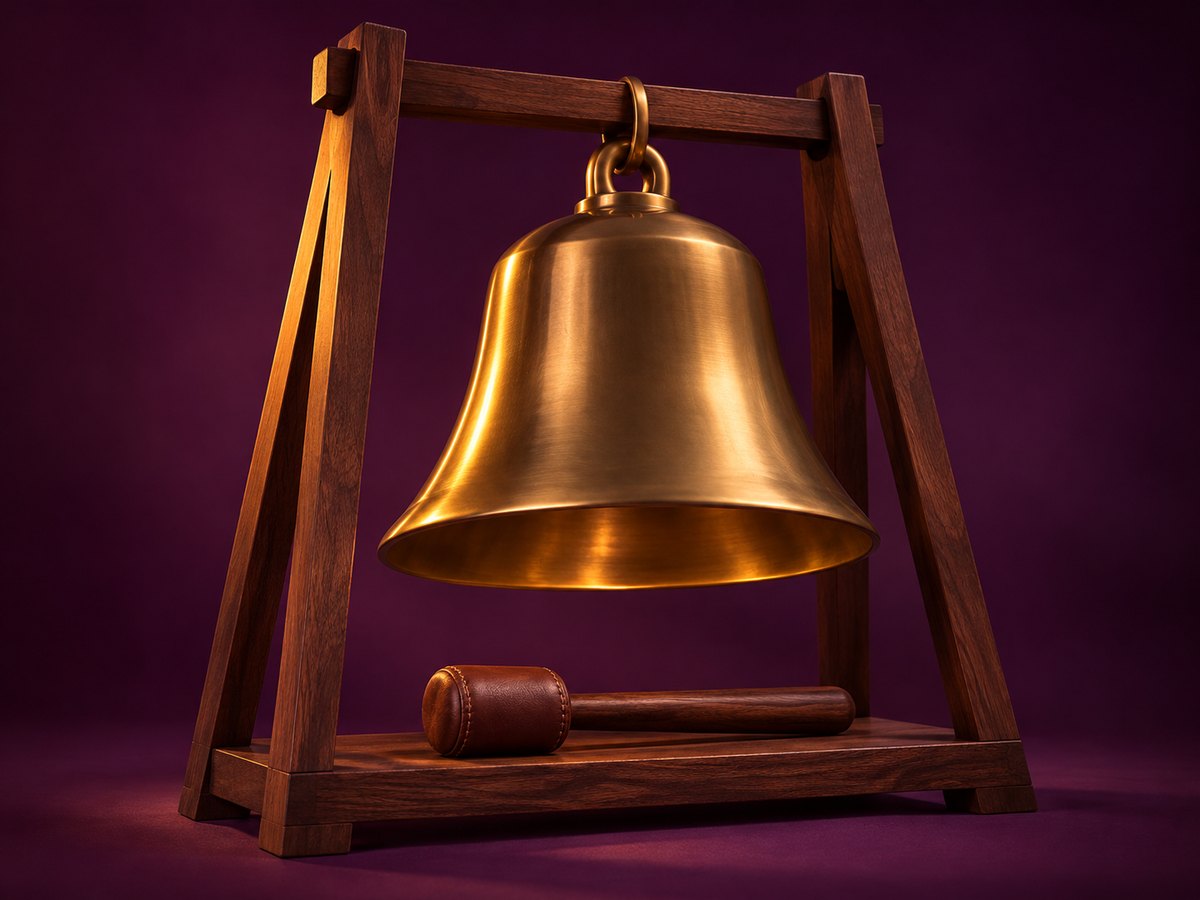
Plenty of players end up with both, and sound baths often pair them with other instruments such as the tuned bells in the iPyramids sound collection.
Playing safely, whichever you choose
- Mind the volume. Large crystal bowls in particular can get loud close up. The CDC's NIOSH guidance sets 85 A-weighted decibels as the level where precaution starts, about where you must raise your voice to be heard by someone three feet away. Play softly near your ears, and stop if your ears ring.
- Never rest a crystal bowl on the body; it is heavy and can break. Keep it away from shelf edges, children and pets.
- Anyone with sensitive hearing or a medical concern should check with their doctor before spending long sessions around loud instruments.
Pick the voice you love, give it a cushion and a safe home, and it will reward you for years.
Quick answers
Is a crystal singing bowl or a Tibetan singing bowl better?
Neither is better overall. Crystal bowls give a clear, steady note with a long ring and are easy to build into tuned sets. Metal bowls give a warmer, layered sound, are quieter and far more durable. Choose the sound you enjoy and the one that fits your space.
Are crystal singing bowls made of real crystal?
They are made of fused quartz: silica sand melted at very high heat and spun or formed in a mold. So the raw material is quartz, but the bowl is not carved from a single crystal. Some bowls have gemstones or metals fused into the quartz.
Do crystal singing bowls break easily?
They are much more fragile than metal bowls. A drop of one to two feet onto a hard floor can crack one, and knocking it against something hard can chip the rim. Keep it on its O-ring or cushion, tap lightly and move it in a padded case.
Are Tibetan singing bowls really made of seven metals?
Published analyses keep finding mainly copper and tin, known as bell bronze, with only traces of other metals. The seven-metals story is better treated as tradition and marketing. Ask the seller what alloy a bowl is and where it was made.