Essential oils are one of the simplest ways to bring scent into a ritual, a meditation corner or an ordinary evening at home. They are also far more concentrated than most people realize. A tiny bottle can hold the aromatic compounds of a large amount of plant material, and that strength is exactly why a little care goes a long way.
This guide covers the basics every beginner should know. It is about enjoying scent safely, not about medicine. Essential oils are not a substitute for professional care, and if you have a health condition, talk to a qualified professional before using them.
What an essential oil actually is
Most essential oils are made by steam-distilling leaves, flowers, bark or roots. Citrus oils are usually cold-pressed from the peel. The result is a volatile, highly concentrated liquid that carries a plant's scent.
"Natural" does not mean harmless. Undiluted oils can irritate skin, sting eyes, and cause real harm if swallowed. Treat them the way you would treat any concentrated household product: with respect, and out of reach of little hands and curious paws.
The golden rules
- Never ingest essential oils.
- Dilute before putting them on skin.
- Patch test any new oil before wider use.
- Keep them away from eyes, and wash your hands after handling.
- Store them safely, away from children and pets.
- Ventilate when diffusing, and keep sessions short.
Diluting for skin use
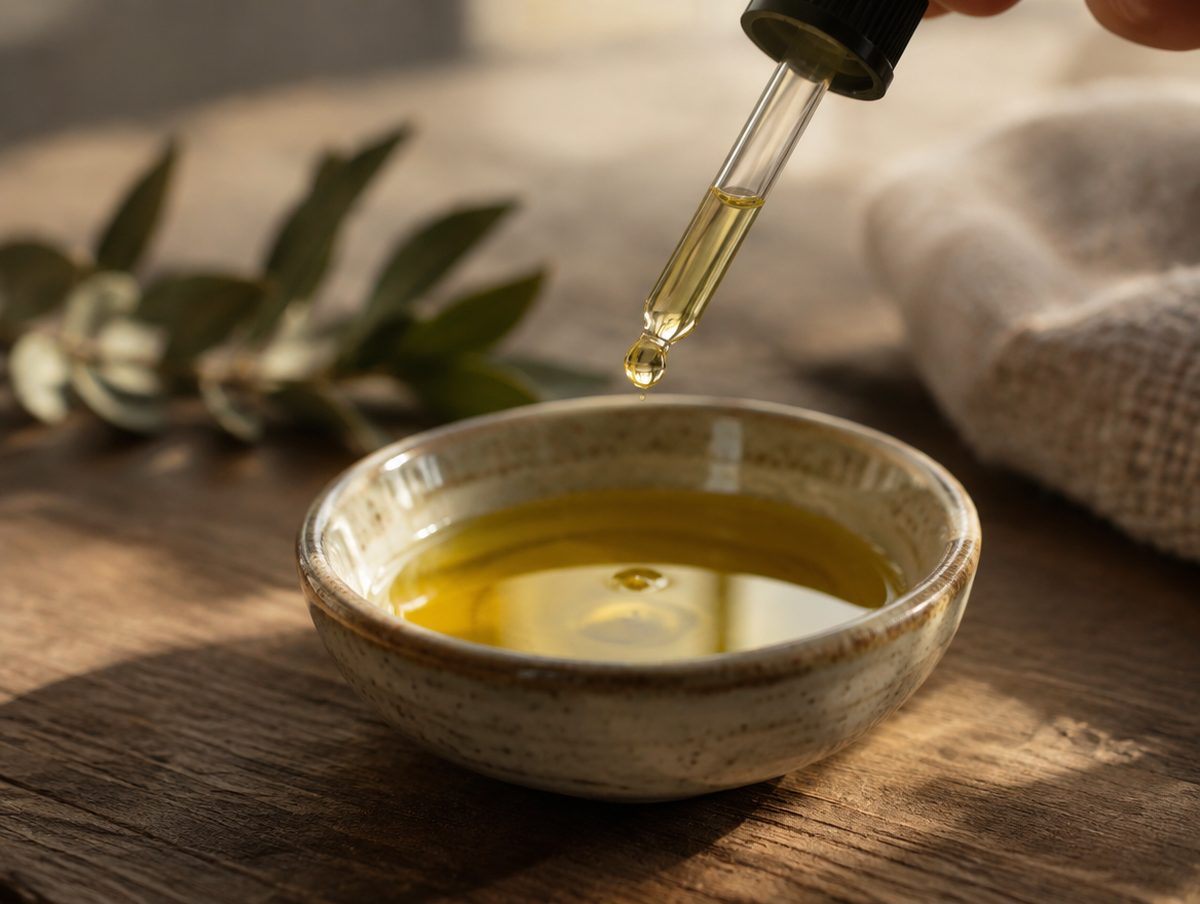
If you'd like to wear a scent, for example on your wrists before meditation, mix the essential oil into a carrier oil first. Common carriers include jojoba, grapeseed and fractionated coconut oil. Sweet almond oil is popular too, but skip it if you or anyone you share it with has a nut allergy.
Many aromatherapy references suggest a low dilution for everyday adult skin use, often in the range of 1 to 2 percent. As a rough guide:
- About 1 percent: 1 drop of essential oil per teaspoon (5 ml) of carrier oil.
- About 2 percent: 2 drops per teaspoon of carrier oil.
Drop sizes vary between bottles, so treat these as approximate. For the face or other sensitive areas, go lower, or simply enjoy the scent from a diffuser or a tissue instead. More is not better. If the scent feels overpowering, it is too strong.
Some cold-pressed citrus oils, such as bergamot and lime, are known to make skin more sensitive to sunlight. If you use them on skin, keep that area out of direct sun for the rest of the day, or choose a different oil.
How to patch test
- Dilute the oil in a carrier as described above.
- Dab a small amount on the inside of your forearm.
- Cover it with a bandage and leave it for 24 hours, keeping it dry.
- Check for redness, itching, swelling or any other change.
- If you notice a reaction, wash the area gently with mild soap and water and don't use that oil on your skin. If a reaction is severe or spreading, seek medical help.
Keep oils out of your eyes
It is surprisingly easy to rub your eyes after handling a bottle. Wash your hands with soap after using oils, and never apply them near the eyes. If oil does get into an eye, rinse it with plenty of clean water and get medical advice if the stinging or redness doesn't settle.
Never swallow them
Essential oils are not for drinking, cooking or adding to water, however an online recipe or a label might make it sound. Swallowing them can be dangerous, and young children are especially at risk because even a small amount can be serious. Keep bottles tightly capped, and choose ones with child-resistant caps where you can.
If anyone swallows an essential oil, contact Poison Control or emergency services straight away. In the US, Poison Control can be reached at 1-800-222-1222.
Children, pregnancy and health conditions
Store oils high up and out of sight. Some oils, including peppermint and eucalyptus, are commonly advised against around babies and young children, so ask your child's doctor before using any oil on or near them.
If you are pregnant or breastfeeding, or you have asthma, allergies or another health condition, ask your doctor or midwife before using essential oils, including in a diffuser.
Pets: be extra careful
Animals experience scent very differently from us, and they can't always leave a room when a smell is too strong. Essential oils can be harmful to pets, especially cats. Oils such as tea tree, eucalyptus, peppermint and citrus oils are commonly cited as risky for cats and dogs, and birds can be very sensitive to anything in the air.
- Never apply essential oils to a pet's skin or fur.
- Keep bottles, diffusers and scented cloths out of reach.
- If you diffuse, do it in a well-ventilated room your pet can freely leave.
- Ask your vet before using any oil in a home with animals.
Diffusing thoughtfully
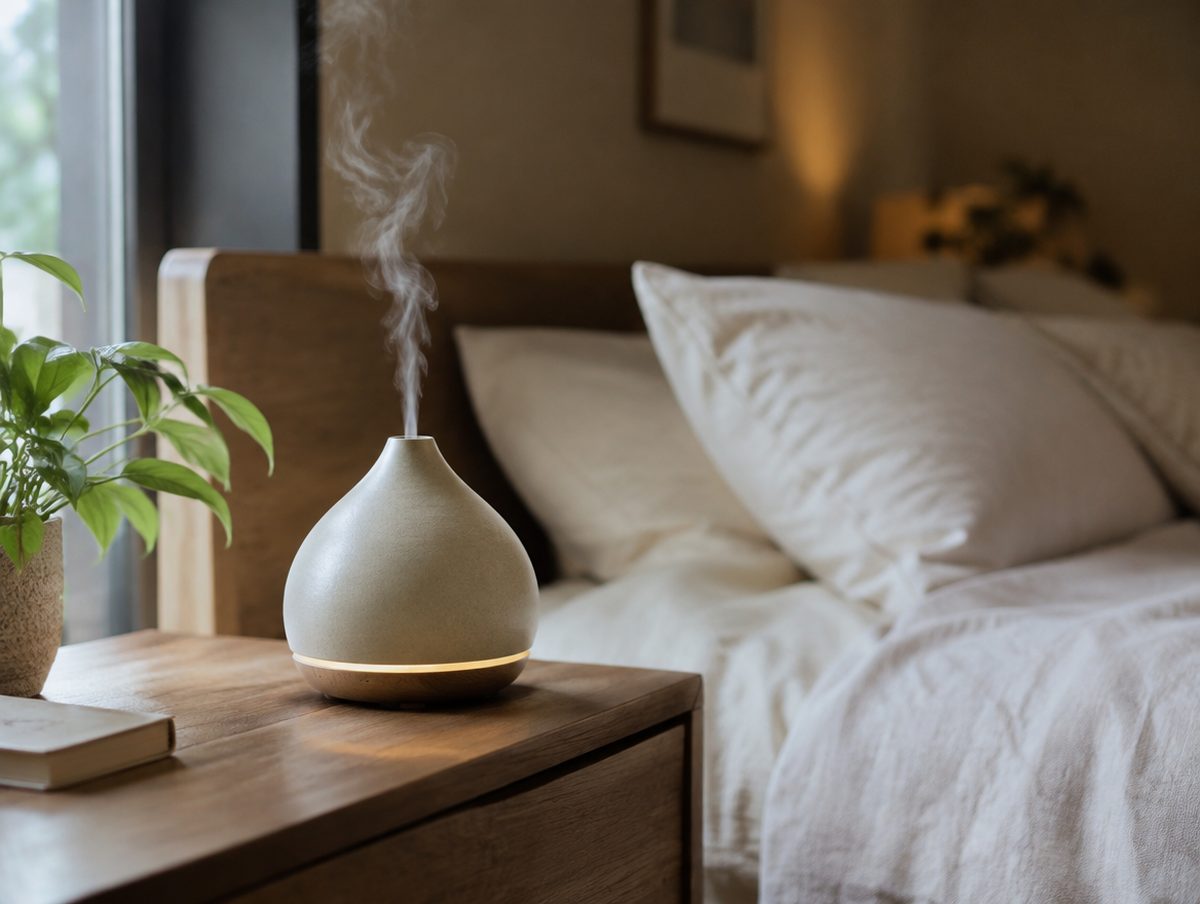
A diffuser is a lovely way to scent a room for meditation or a quiet evening. A few habits keep it pleasant for everyone:
- Follow the manufacturer's instructions for water and number of drops.
- Run it in short sessions rather than all day, and keep the room ventilated.
- Remember that strong scents can bother people with asthma or scent sensitivities.
- Clean the diffuser regularly so old oil and water don't build up.
Tip: Start with fewer drops than you think you need. You can always add a drop later, but you can't take one out, and a gentle scent is often more pleasant than a strong one.
Storage and shelf life
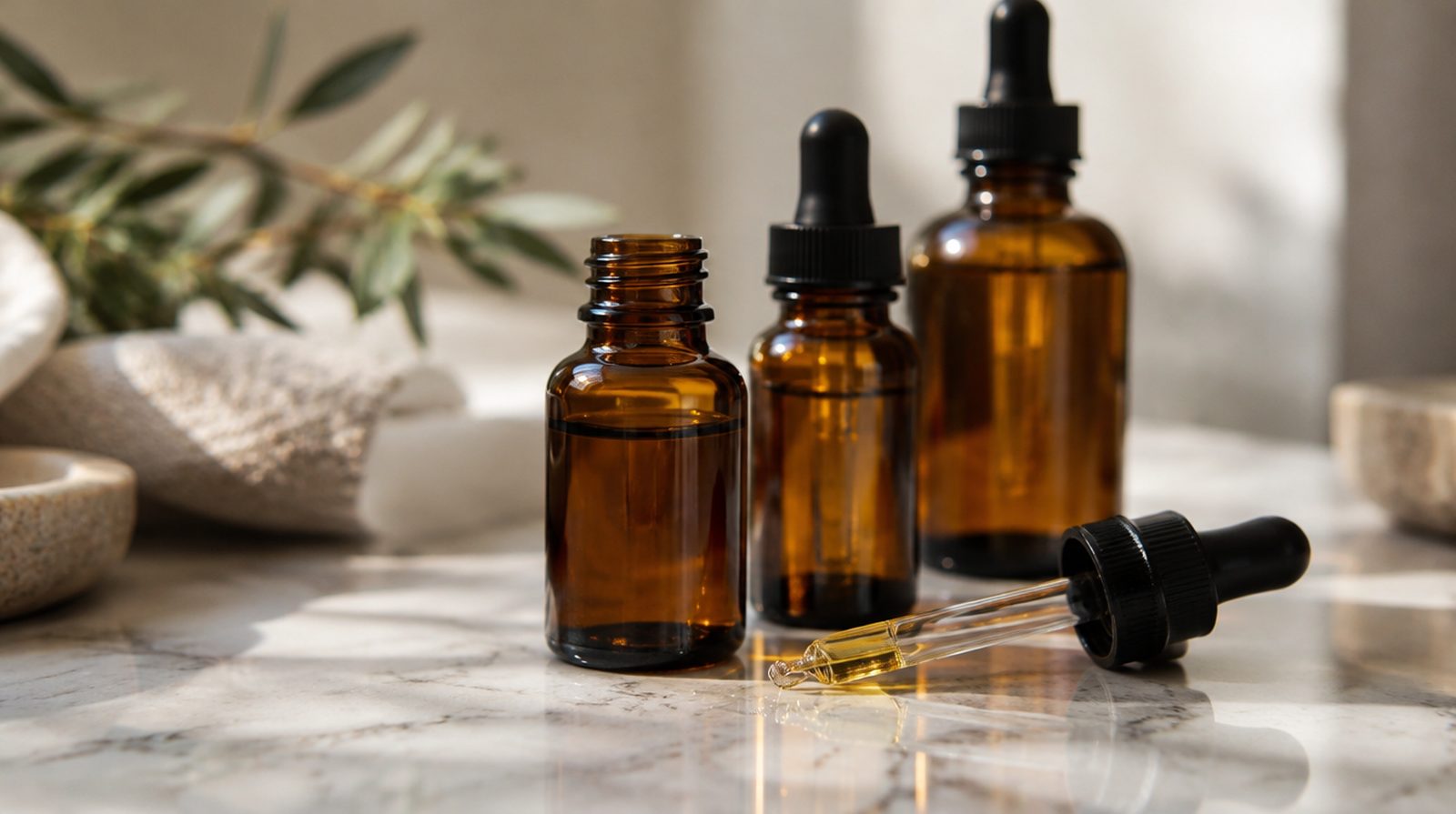
Essential oils change over time as they are exposed to air, light and heat. Older, oxidized oils may be more likely to irritate skin, and citrus oils tend to age faster than most. Keep them in dark glass bottles with the caps screwed tight, somewhere cool and away from sunlight. Writing the date you opened a bottle on its label makes it easy to know when it's time to replace it.
Reading the label
A good label tells you what's in the bottle. Look for the plant's common name and its botanical (Latin) name, and ideally the country of origin. "Fragrance oil" or "perfume oil" usually means a synthetic scent, which is a different product from an essential oil.
Be wary of any oil sold with promises to heal, cure or treat a health problem. Those claims are a red flag. Enjoy essential oils for what they are: a beautiful way to bring scent, ritual and a sense of occasion into your space.
Quick answers
Can I add essential oils straight to my bath?
Oil and water don't mix, so drops added straight to bathwater float on the surface and can touch your skin undiluted. If you want a scented bath, mix a small amount into a carrier oil first, patch test beforehand, and be careful getting in and out, as oil can make the tub slippery.
Is it safe to use a diffuser if I have a cat?
Essential oils can be harmful to pets, especially cats. Ask your vet before diffusing in a home with animals. If you do diffuse, keep sessions short, ventilate the room, keep the diffuser out of reach and make sure your cat can leave the room freely.
Do essential oils expire?
Yes. Over time, exposure to air, light and heat changes an oil, and older oils may be more likely to irritate skin. Citrus oils tend to age fastest. Store bottles tightly capped in a cool, dark place and note the date you opened them.