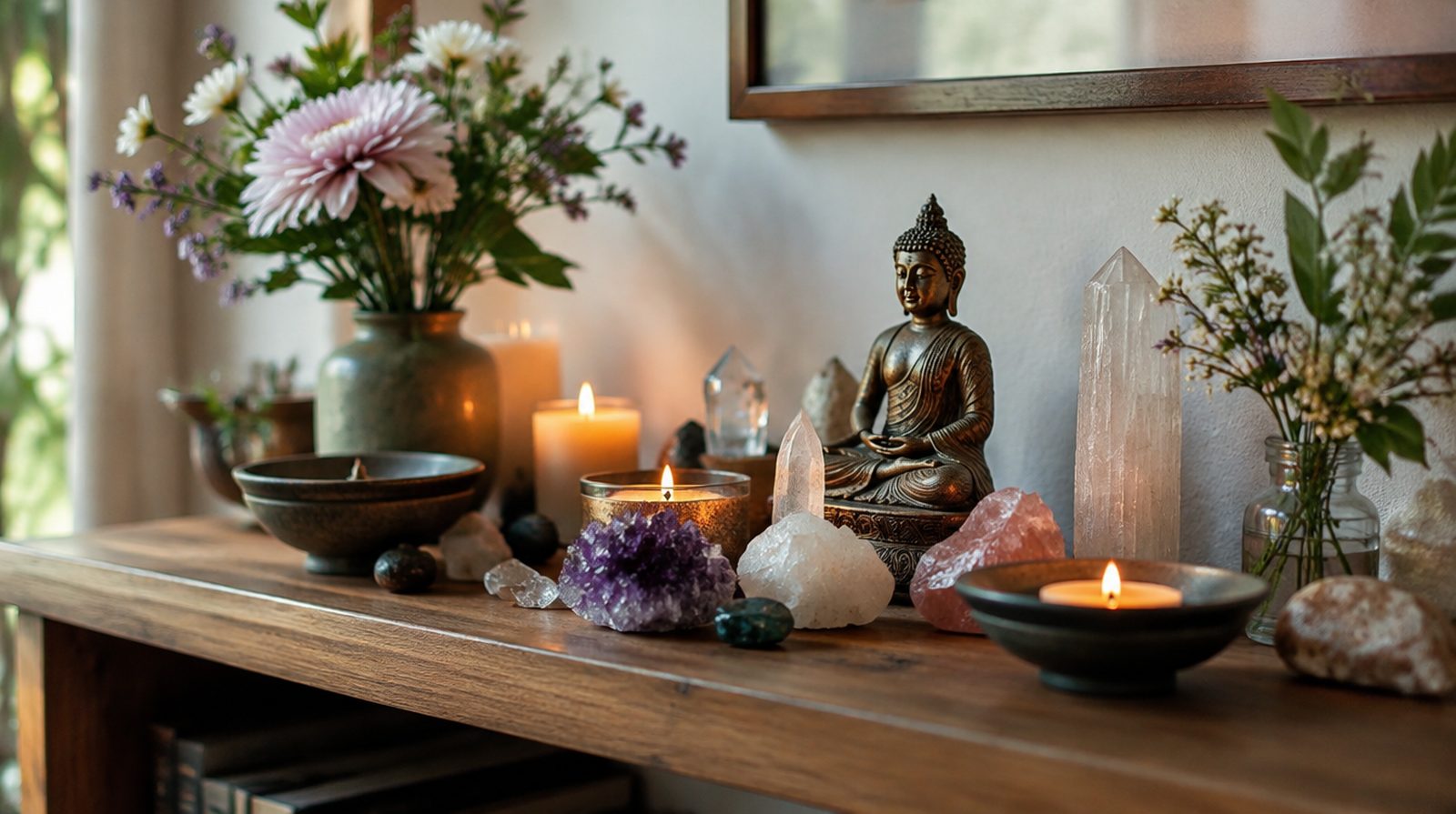
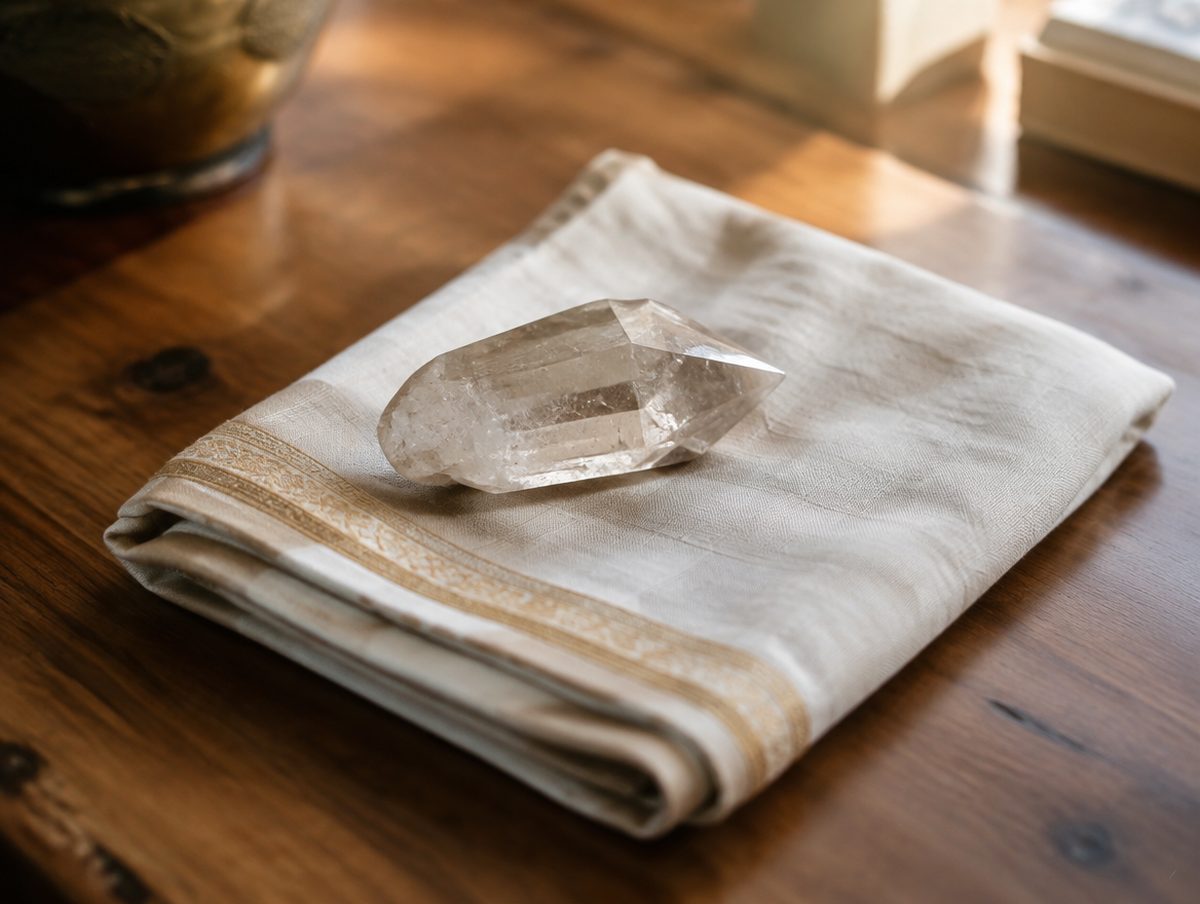
For many people, having a dedicated spot makes a quiet practice easier to return to. You walk past it, you notice it, and it reminds you to stop for a moment. That is really all a meditation altar is: a small place set aside with a few objects that mean something to you.
You do not need to follow any particular tradition, and you certainly do not need to buy a lot of things. Here is how to put one together thoughtfully.
Start with intention, not objects
Before gathering anything, ask yourself what you want the space to be for. It might be:
- A place to sit quietly for a few minutes each morning
- A spot for reflection, journaling or gratitude
- A way to remember someone you love
- A focal point for prayer, if that is part of your life
Your answer shapes everything else. An altar for remembrance might centre on a photograph; one for morning stillness might be just a candle and a plant.
Choosing the right spot
Almost any small surface can work. The best spot is one you will actually use.
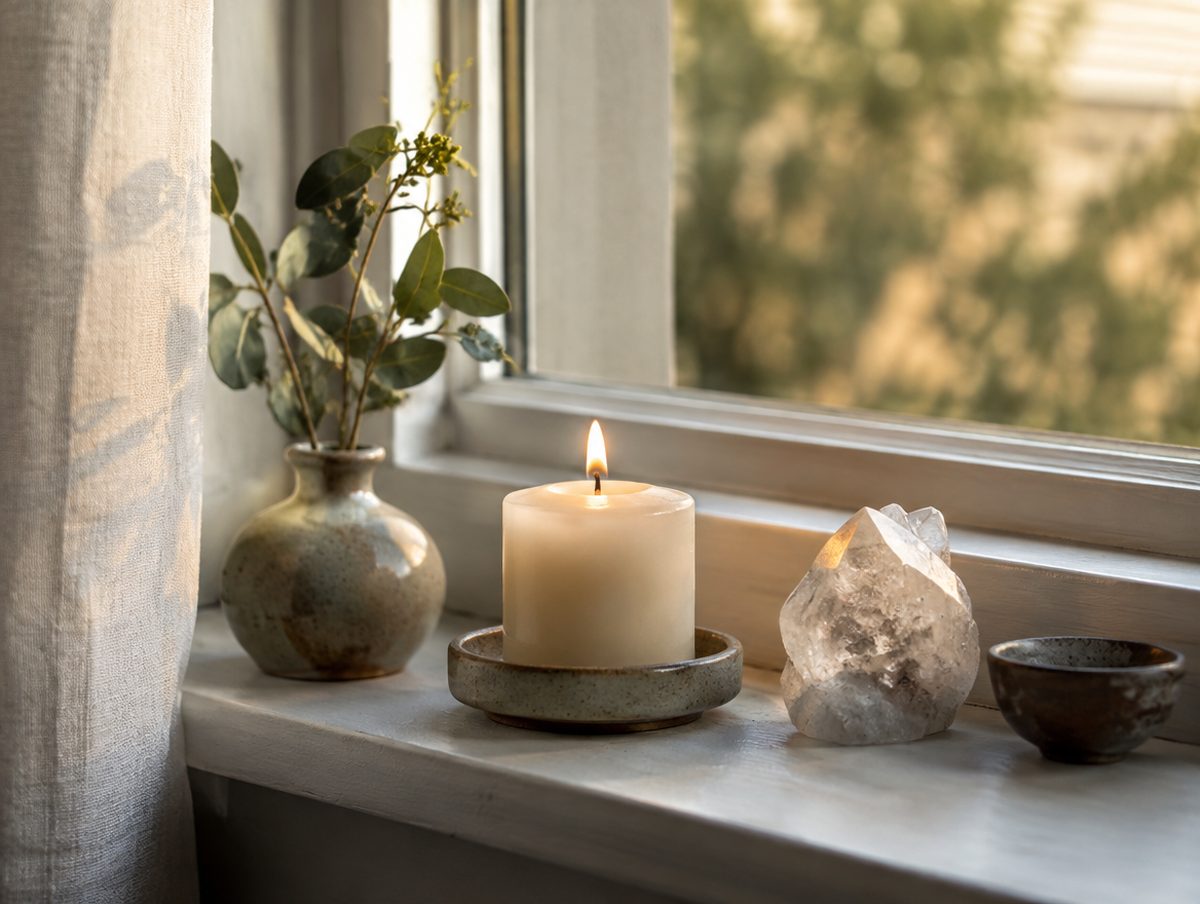
- A shelf or windowsill in a quieter corner
- The top of a dresser or bookcase
- A small side table next to a chair or cushion
- A tray you can move and put away
Try to choose somewhere relatively calm, away from the busiest routes through your home. If you plan to sit in front of it, make sure there is room for a cushion or chair.
Ideas for small spaces
If space is tight, think small and flexible:
- A portable tray altar can live on a shelf and come down when you want it.
- A floating wall shelf keeps the floor clear and objects out of reach of pets and children.
- A single meaningful object, such as a stone, a small bowl or a photo, can be enough.
- A drawer or box can hold your pieces when you need the surface back.
Tip: Less is often more. A few well-chosen things feel calmer than a crowded surface.
What you might include
There is no required list. Choose things that feel meaningful and that you are happy to see every day. Some common ideas:
- A cloth or mat to define the space and protect the surface
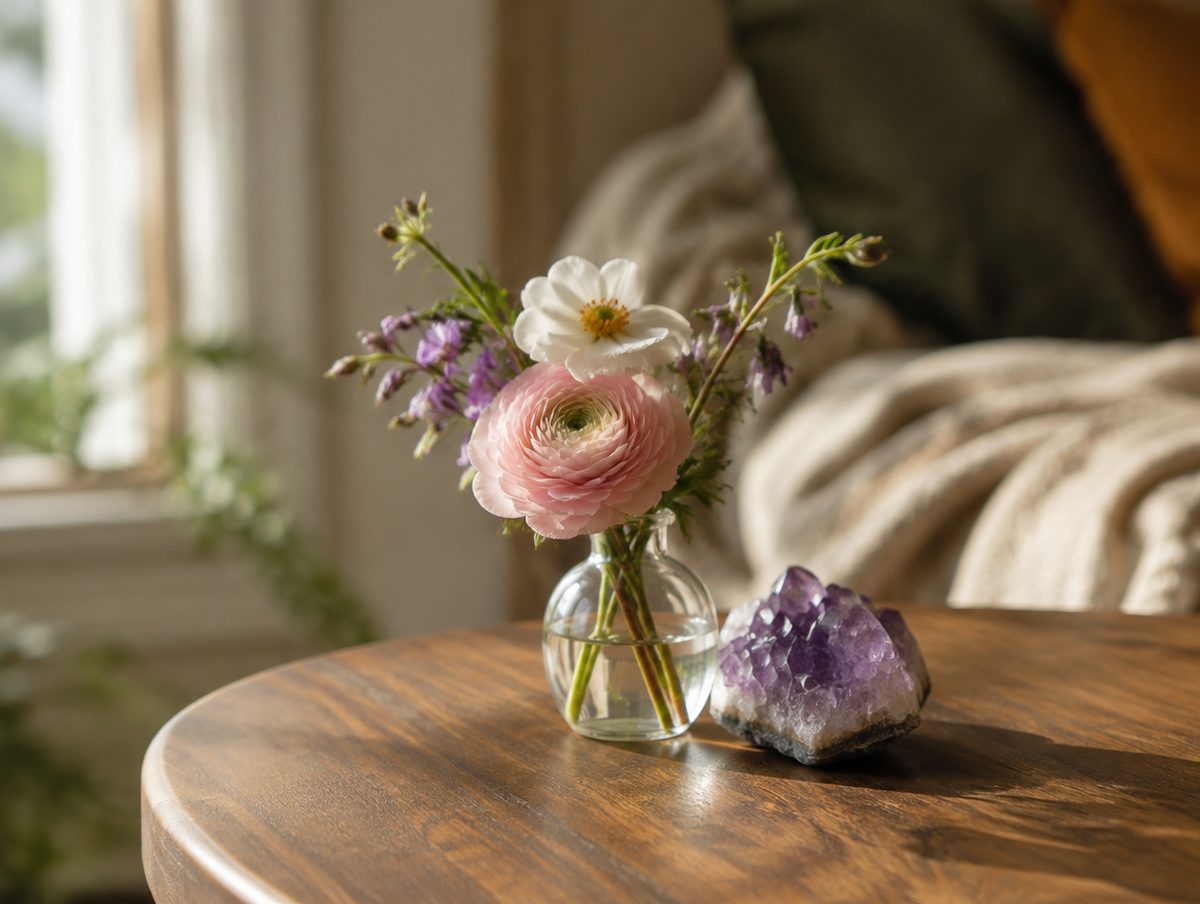
- Something natural, like a plant, a flower, a shell, a pebble or a piece of wood
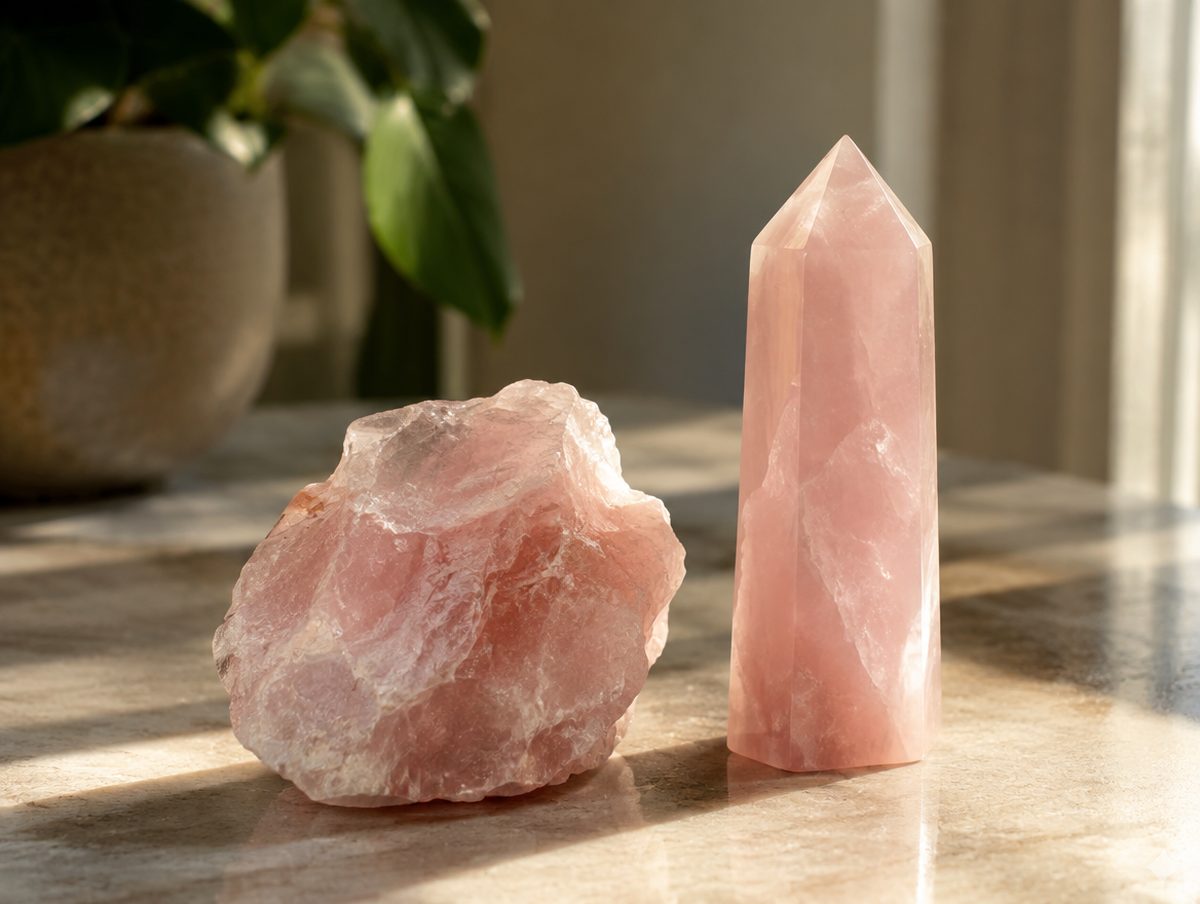
- A crystal or stone you find beautiful. In many traditions stones carry symbolic meanings, and you are welcome to explore those, but their value here is simply as something that draws your attention.
- A candle, real or battery-powered
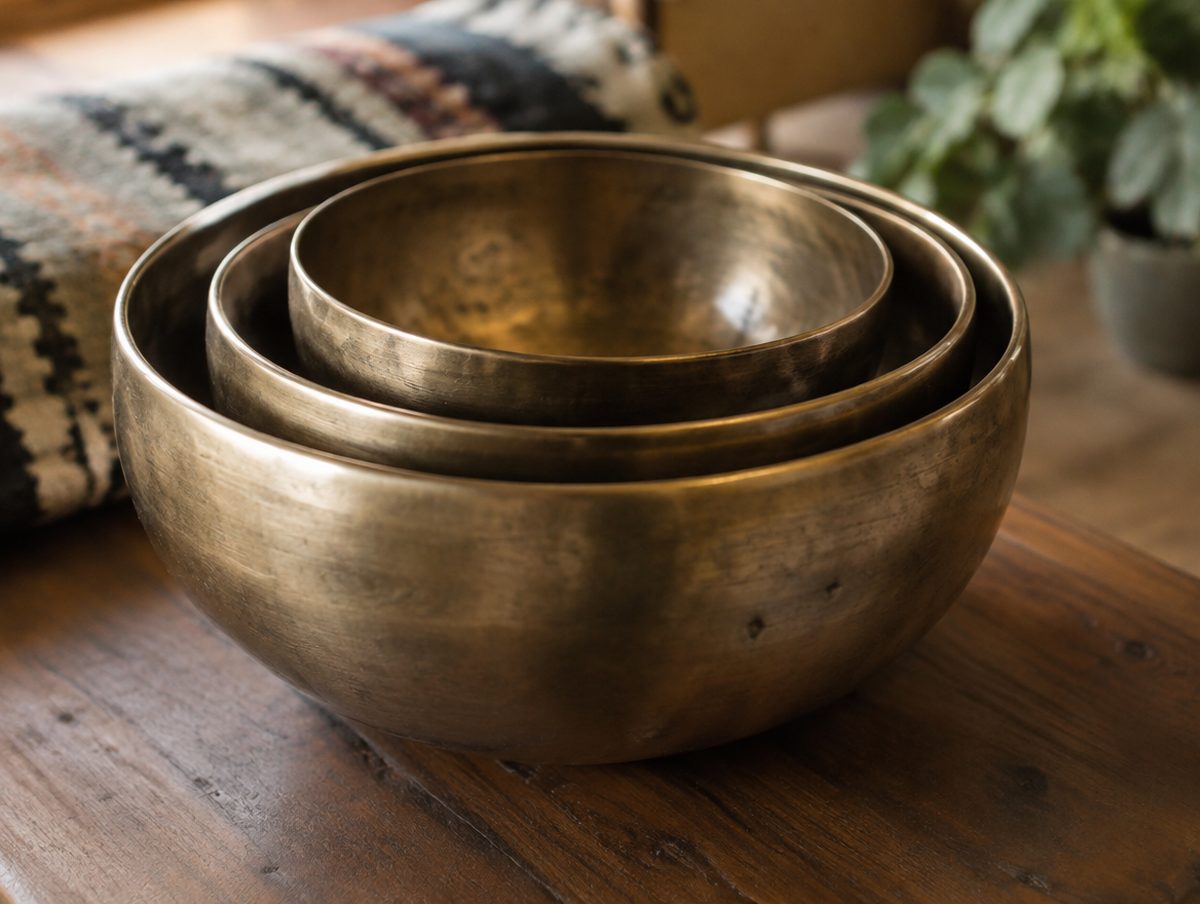
- A small singing bowl or bell to mark the start and end of a quiet moment
- Photographs of people, places or animals you love
- A written word or phrase that matters to you
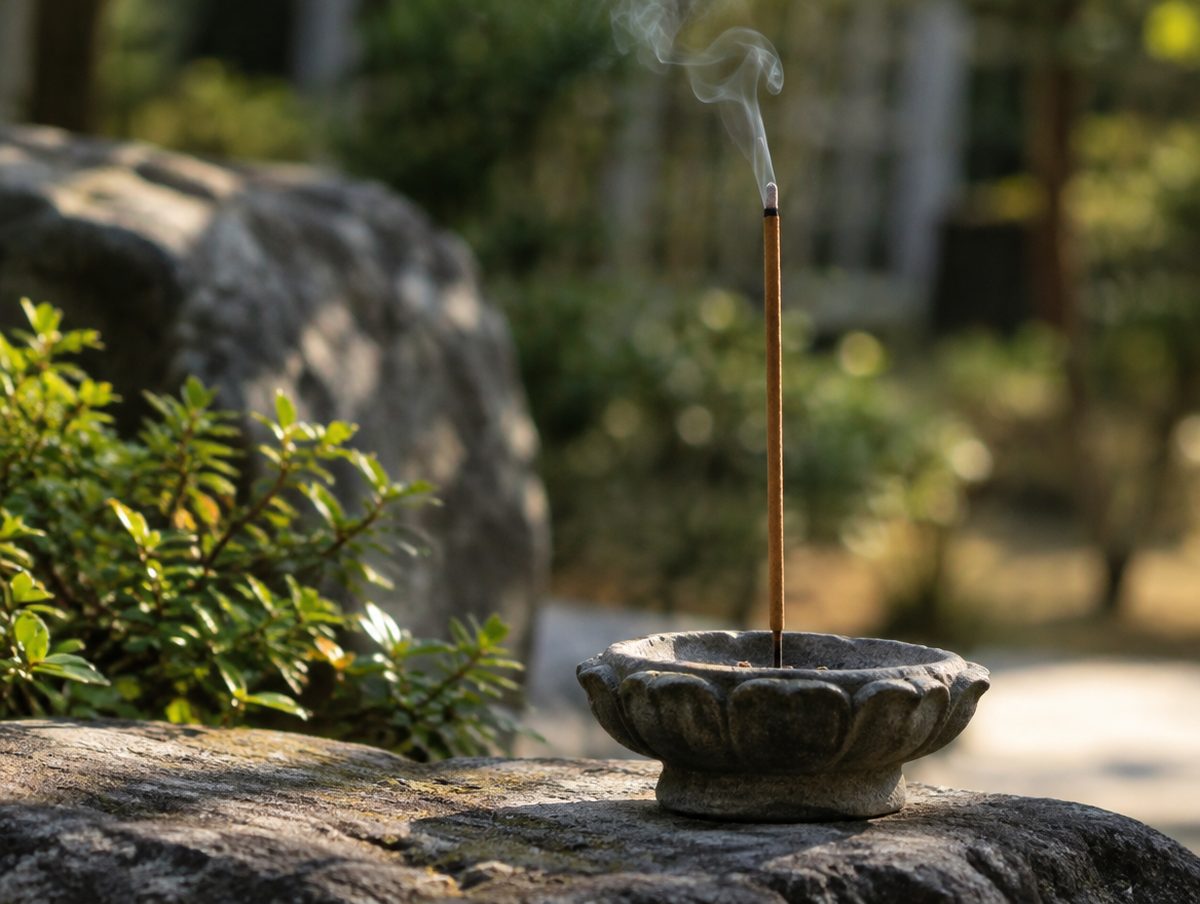
- Incense, if you enjoy it and it suits your home
If you buy anything, look for sellers who describe materials and origin clearly. That is especially worth doing for stones, wood and anything natural.
Being respectful of traditions
Altars have deep roots in many religions and cultures. It is fine to be inspired by that, but it is good to be thoughtful:
- If you include a religious figure or sacred object from a tradition that is not your own, take time to learn what it means and how it is usually treated.
- Avoid using sacred items purely as decoration, or placing them somewhere their tradition would consider disrespectful, such as on the floor or in a bathroom.
- When in doubt, a simple, personal altar made of natural objects and things that matter to you is always a respectful choice.
How to arrange it
- Clear and clean the surface first.
- Lay down a cloth if you are using one.
- Place a focal point in the centre or towards the back, such as a candle, a photo or a larger object.
- Add a few smaller pieces around it, leaving some breathing room between them.
- Keep anything that burns at the front, clear of everything else, and well away from walls, curtains and shelves above.
- Step back and adjust until it feels balanced and calm to you.
Fire safety for candles and incense
This part is important. A lovely altar should never become a hazard.
Candles
- Never leave a lit candle unattended, and blow it out before you leave the room or fall asleep.
- Use a stable, heat-resistant holder on a flat surface.
- Keep candles well away from curtains, paper, dried flowers, fabric and anything above them, like a shelf.
- Keep them out of reach of children and pets.
- Consider battery-powered candles, especially in small spaces, bedrooms, or homes with pets.
Incense
- Use a proper holder or a heat-proof dish that catches falling ash.
- Burn it in a well-ventilated room, and do not burn it continuously in a small closed space.
- If you or anyone at home has asthma or other breathing sensitivities, or if you have pets, go gently or skip incense altogether.
- Make sure it is fully extinguished before walking away.
Keeping it alive
An altar does not have to stay the same. Many people refresh it with the seasons, swap in fresh flowers, or add something that marks a new chapter. Dust it regularly, remove anything that no longer feels meaningful, and let it evolve with you.
Using your altar
There is no set way to use it. You might sit in front of it for a few minutes, light a candle and breathe, ring a bowl once and listen, or simply pause as you pass by. Many people find that a dedicated space makes a quiet moment easier to reach. It is a supportive habit, not a replacement for professional help if you are struggling, so please reach out to a qualified professional if you need to.
Quick answers
Do I need to be religious to have a meditation altar?
No. A meditation altar can be entirely personal and non-religious. It is simply a small, intentional space with objects that help you pause. If you are inspired by a particular tradition, take time to learn about it and treat its objects respectfully.
How can I make an altar in a very small space?
Try a portable tray, a floating wall shelf, or just one meaningful object on a windowsill. A tray or small box also lets you put everything away when you need the surface back.
Is it safe to burn candles and incense on an altar?
It can be, with care. Never leave flames unattended, use stable heat-resistant holders, keep them away from curtains and anything above, and ventilate the room. Battery-powered candles are a good option in small spaces or homes with pets and children.