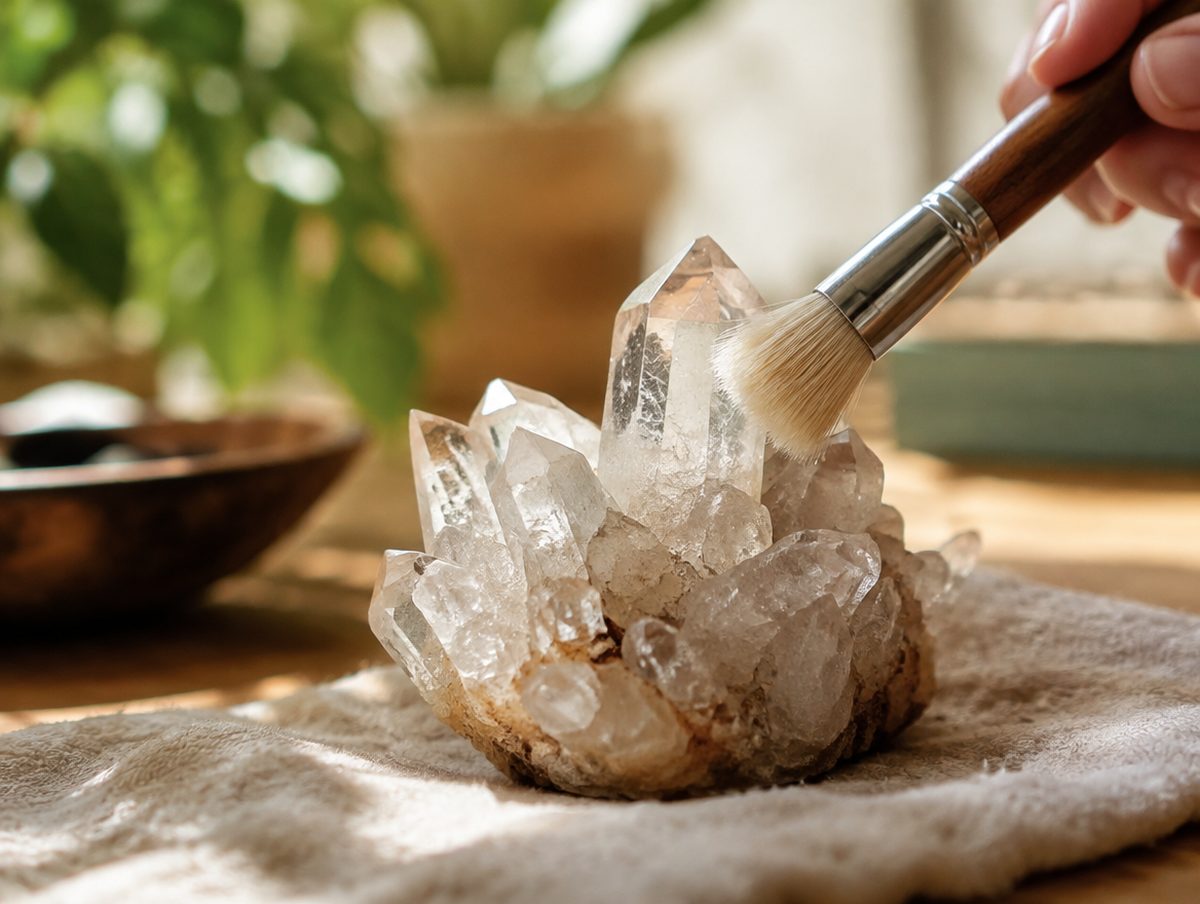
If you spend time around crystal lovers, you will hear a lot about "cleansing." In crystal tradition, stones are believed to absorb energy from people and places, and cleansing is a ritual to refresh them. You do not have to share that belief to enjoy the practice. Many people simply find it a peaceful habit that encourages them to slow down and pay attention to their collection.
What is not a matter of belief is that crystals are physical objects with real vulnerabilities. Some scratch easily, some fade in sunlight, and some are damaged by water or salt. Good care means choosing rituals that suit the stone.
Part one: traditional cleansing rituals
These are the most common methods, with a note on which stones each one suits.
Moonlight
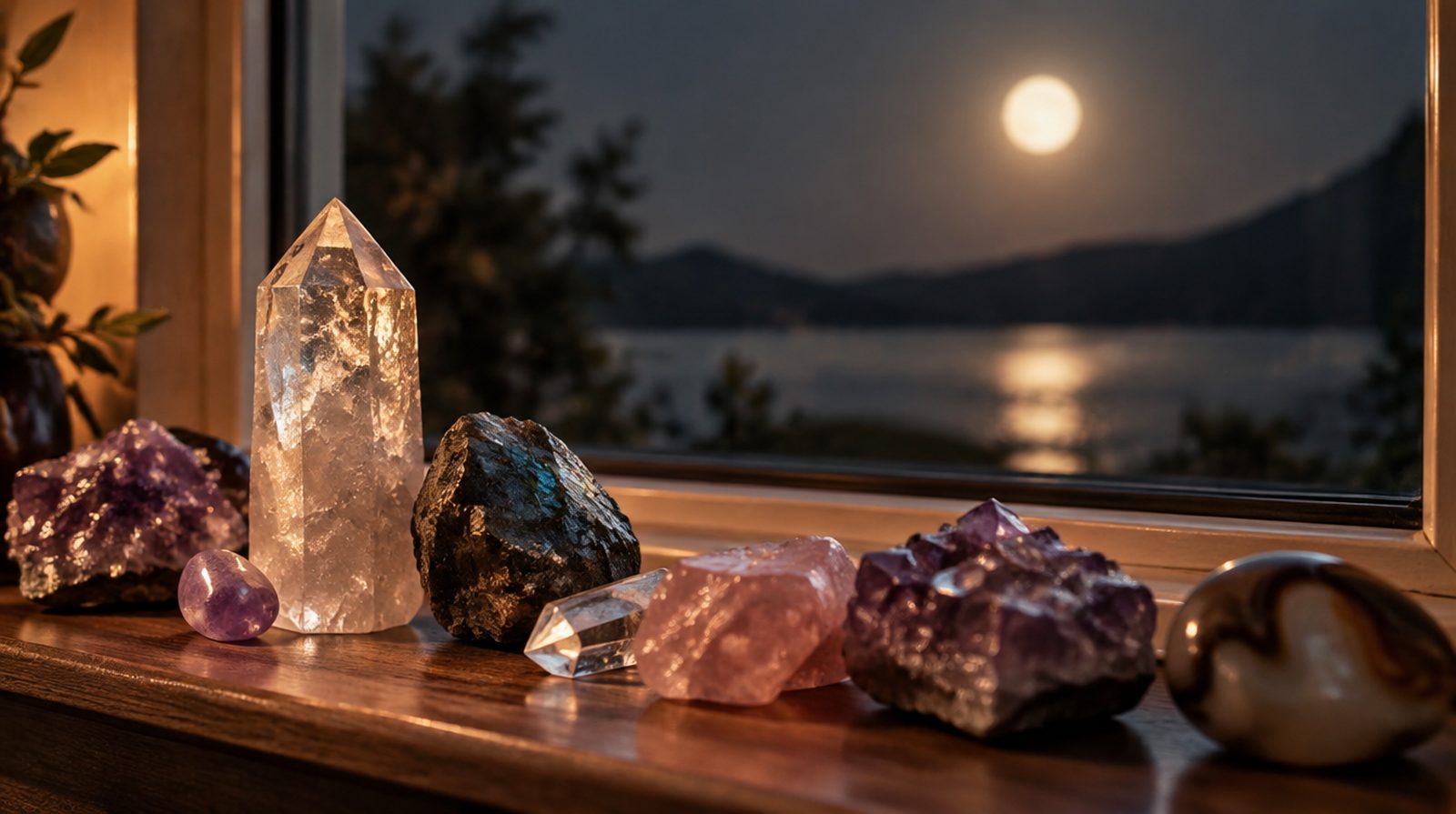
Leaving stones on a windowsill or outdoors overnight, often during a full moon, is one of the most popular rituals. It is gentle and suits almost every stone. If you leave crystals outside, bring them in before the morning sun gets strong and keep them away from damp ground and rain.
Smoke
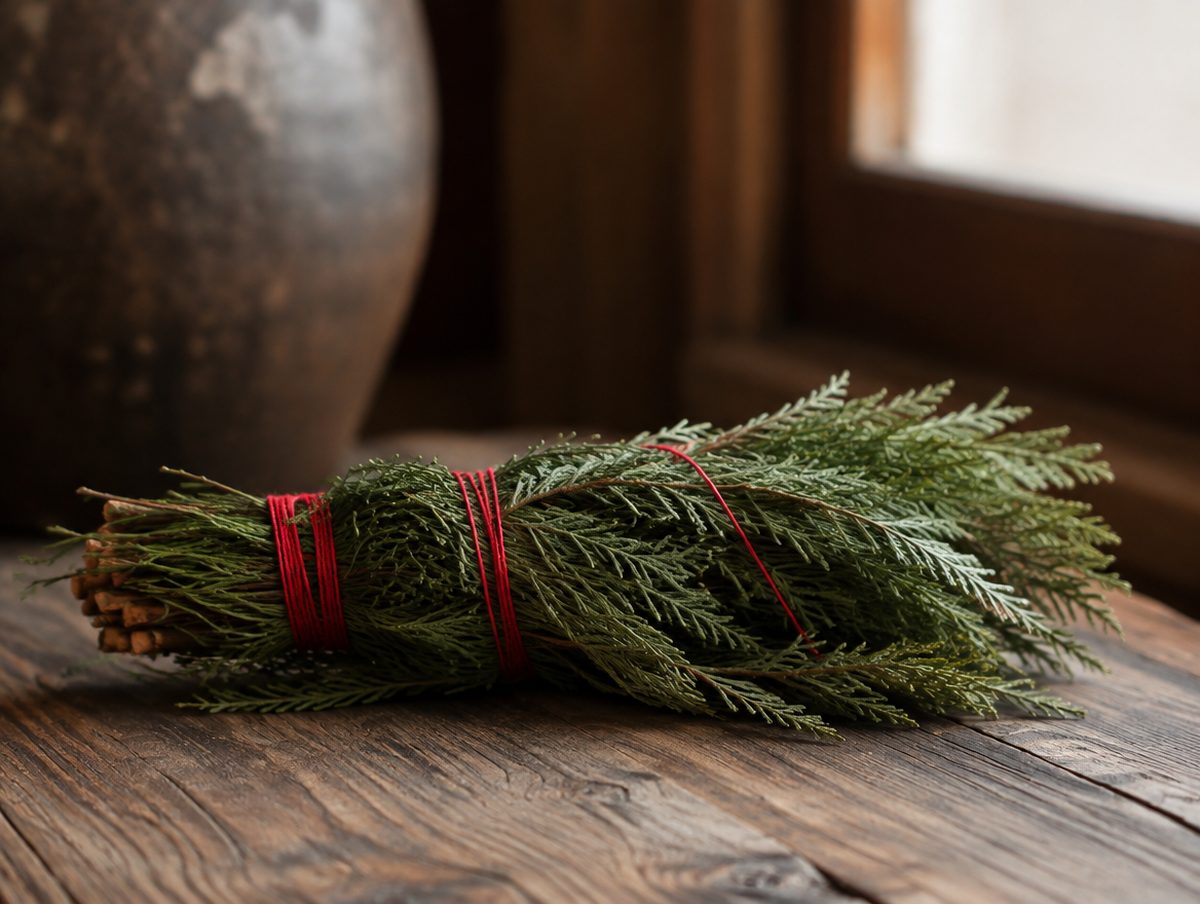
Passing a stone through the smoke of incense or a bundle of dried herbs is a traditional practice in many cultures. It is safe for stones themselves, but the smoke is not ideal for people or pets in a closed room.
- Open a window and keep the space ventilated.
- Use a heat-proof dish and never leave burning material unattended.
- If you use white sage or palo santo, consider buying from sources that describe how it was harvested, as both have raised sustainability concerns.
Sound
Some people ring a singing bowl, chime or bell near their stones, believing the vibration clears them. It involves no contact at all, so it is one of the safest methods for delicate or water-sensitive stones.
Resting on another stone
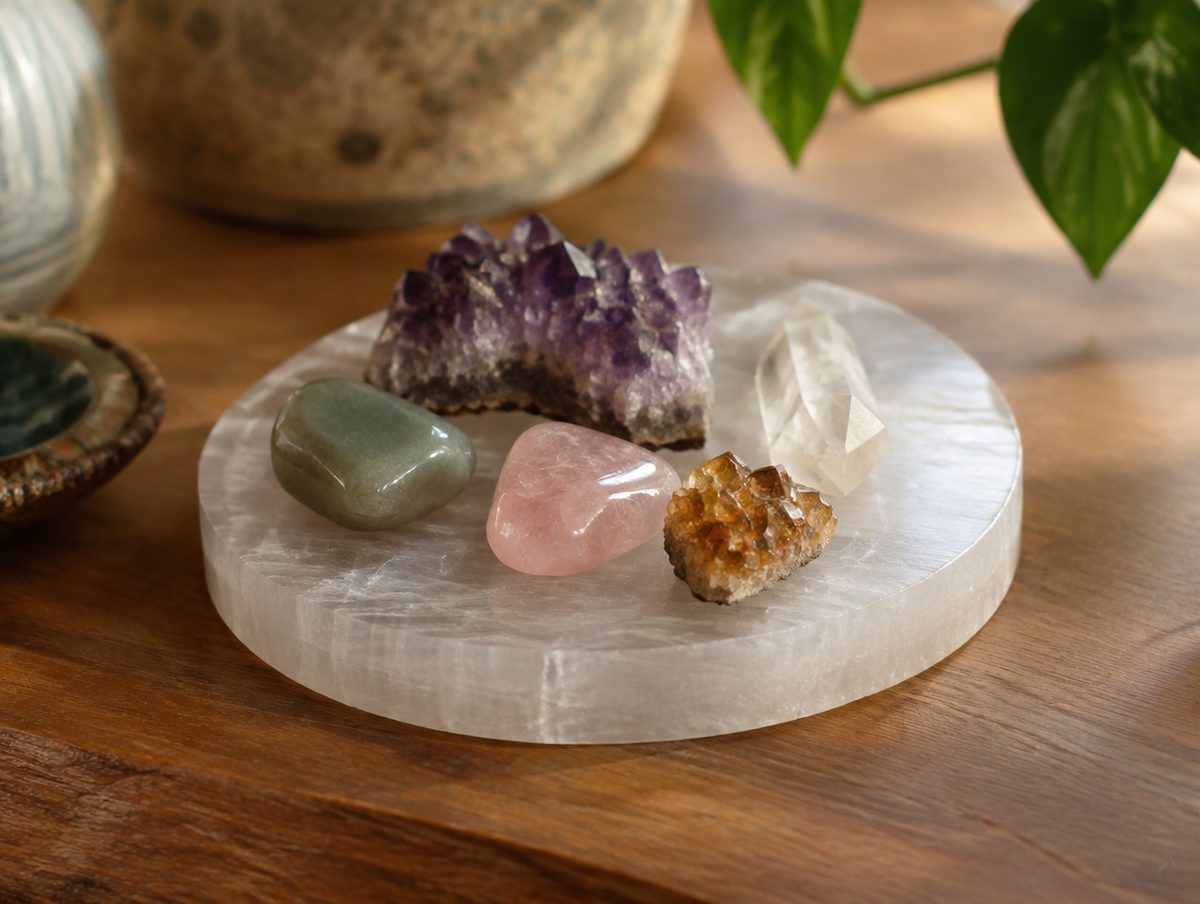
In crystal lore, clear quartz clusters and selenite plates are said to refresh other stones placed on them. Just remember that selenite is very soft. Set stones down gently so neither piece gets scratched.
Breath and intention
Holding a stone, taking a slow breath and setting a clear intention is perhaps the simplest ritual of all. It needs no tools and is completely safe for every stone.
Methods to use with care
- Running water: only for water-safe stones such as tumbled quartz. Never for selenite, halite, malachite, pyrite or other water-sensitive minerals.
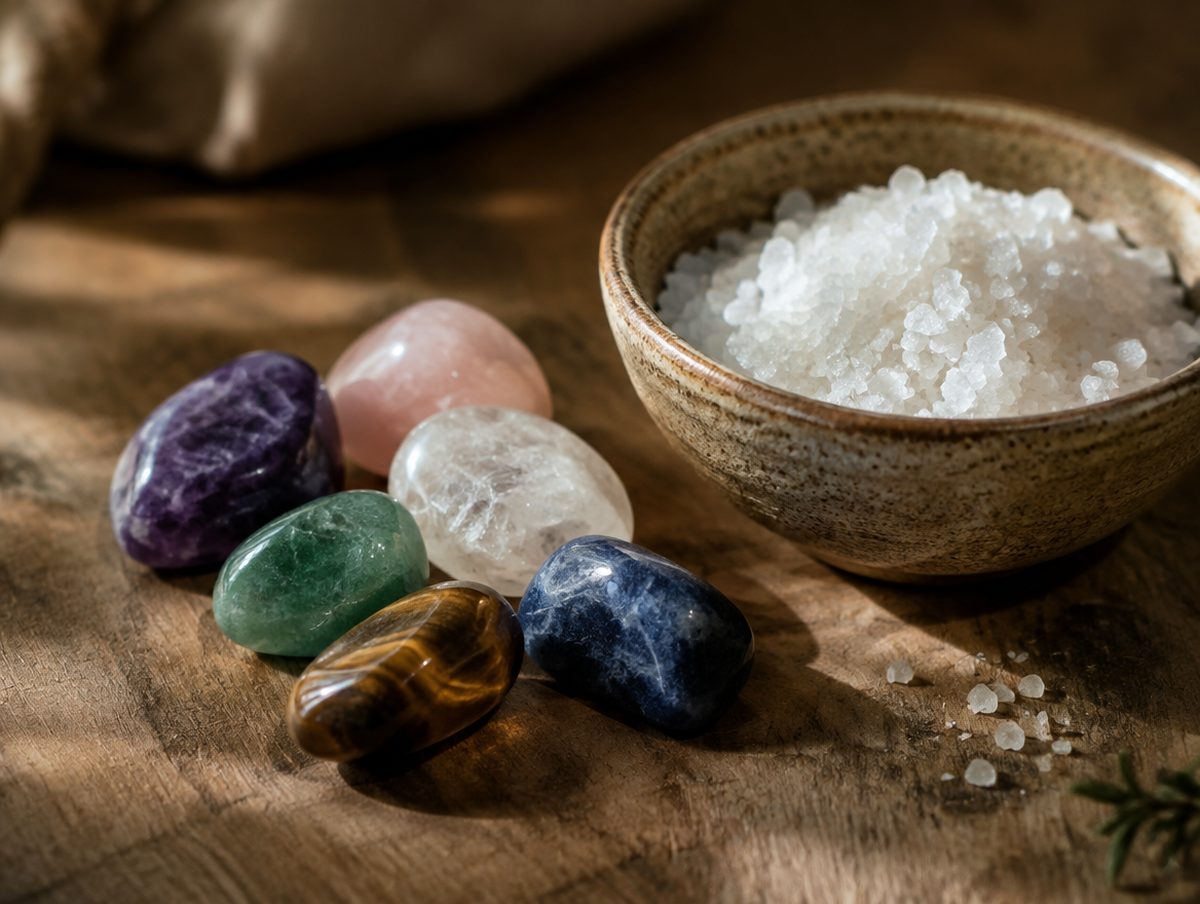
- Salt: salt water can etch, dull or damage many stones and settle into cracks. Dry salt can scratch softer stones. If you like the symbolism, place the stone in a small glass dish that sits inside a bowl of salt, so the two never touch.
- Burying in earth: a traditional method, but soil can stain porous stones, moisture can damage sensitive ones, and small stones are easily lost.
- Sunlight: popular, but it fades several well-loved stones (see below). Moonlight is the safer choice.
Tip: If you are unsure what a stone can handle, choose moonlight, sound or breath. None of them touch the crystal, so none of them can harm it.
Part two: real physical care
This is where knowing a bit of mineralogy pays off.
Understand hardness
Mineral hardness is measured on the Mohs scale from 1 (talc) to 10 (diamond). A harder stone will scratch a softer one. Quartz sits at 7, so it will scratch fluorite (about 4), calcite (3) and selenite (2). Everyday dust can contain tiny quartz particles too, which is why wiping soft stones with a dry, gritty cloth can dull them over time.
- Store soft stones separately, in pouches or a lined box.
- Do not tumble a mixed handful of stones together in a pocket or bag.
- Dust soft stones with a very soft brush rather than rubbing.
Protect colour from sunlight
Several popular stones can lose colour with long exposure to direct sunlight:
- Amethyst can fade toward pale lilac or grey.
- Rose quartz can pale.
- Citrine, fluorite, celestite and kunzite can also fade.
A sunny windowsill is one of the most common ways people accidentally ruin a favourite stone. Display these pieces out of direct sun.
Know which stones hate water
Some minerals dissolve, rust, crack or release unwanted substances in water. Keep these dry:
- Selenite and satin spar (gypsum): soft and water-soluble.
- Halite (rock salt): dissolves.
- Pyrite and hematite: can tarnish or rust.
- Malachite, azurite and chrysocolla: copper minerals, best kept out of water entirely.
- Dyed or stabilised stones: dye can bleed and resins can cloud.
Our guide to water-safe crystals goes into more detail.
Avoid heat and sudden temperature changes
Heat can change or fade colour in some stones, and a sudden jump from cold to hot can crack others, especially opal and stones with internal fractures. Keep crystals away from radiators, candles, car dashboards and hot water.
Cleaning off dust and grime
- Start with a soft, dry brush or cloth.
- For hard, water-safe stones like tumbled quartz, rinse briefly in lukewarm water with a drop of mild soap.
- Dry thoroughly with a soft cloth straight away.
- Skip ultrasonic cleaners, harsh chemicals and scrubbing brushes.
Handle with clean hands
Wash your hands after handling raw mineral specimens, particularly copper, lead or arsenic-bearing minerals, and never sand, cut or polish stones at home without proper ventilation and dust protection. Polished malachite is fine to hold, but its dust is harmful.
A simple care routine
- Weekly: a quick dust and a moment of attention, if you enjoy it.
- Monthly: a moonlight or sound ritual for the whole collection.
- As needed: a gentle wash for hard, water-safe stones only.
Crystals can last for generations. A little knowledge and a gentle routine are all it takes, whatever meaning you bring to the ritual.
Quick answers
How often should I cleanse my crystals?
There is no fixed rule. Many people follow a monthly rhythm, often around the full moon, or cleanse whenever a stone feels important to them. From a physical point of view, a light dusting now and then is all most stones need.
Can I use salt water to cleanse crystals?
It is best avoided. Salt water can etch, dull or damage many stones and can settle in cracks. If you like the symbolism, set the stone in a small glass dish placed inside a bowl of dry salt so they never touch.
Why has my amethyst gone pale?
Amethyst can fade with long exposure to direct sunlight or heat. Move it somewhere out of direct sun. Faded colour usually cannot be restored at home.