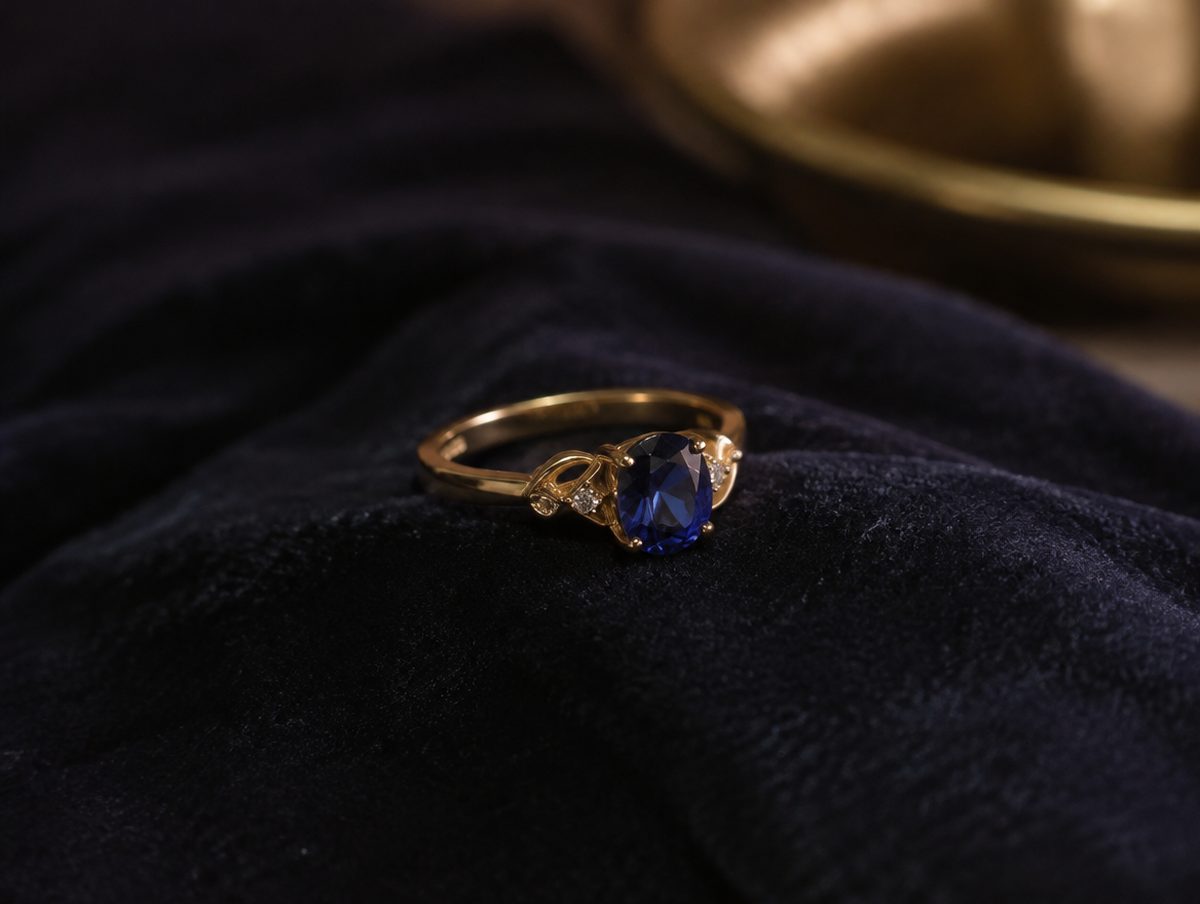
A birthstone is one of the most personal ways to connect with the world of gems. It turns a stone into a small piece of someone's story, which is why birthstones remain such a popular choice for rings, pendants and first crystals. Here is the modern birthstone list, month by month, with a little history and some practical care notes for each stone.
Where the modern list comes from
The idea of linking gems to the months is old. It is often traced to the twelve stones described on the breastplate of the high priest in the Book of Exodus, which later writers connected with the twelve months or the signs of the zodiac. Exactly which gems those ancient stones were is uncertain, because old names don't always match modern ones.
The list most people in the US use today dates back to 1912, when an American jewelers' association standardized it. It has been updated a few times since. For example, tanzanite was added to December in 2002, and spinel joined August in 2016. Other countries and traditions use slightly different lists, so don't be surprised if you see variations elsewhere.
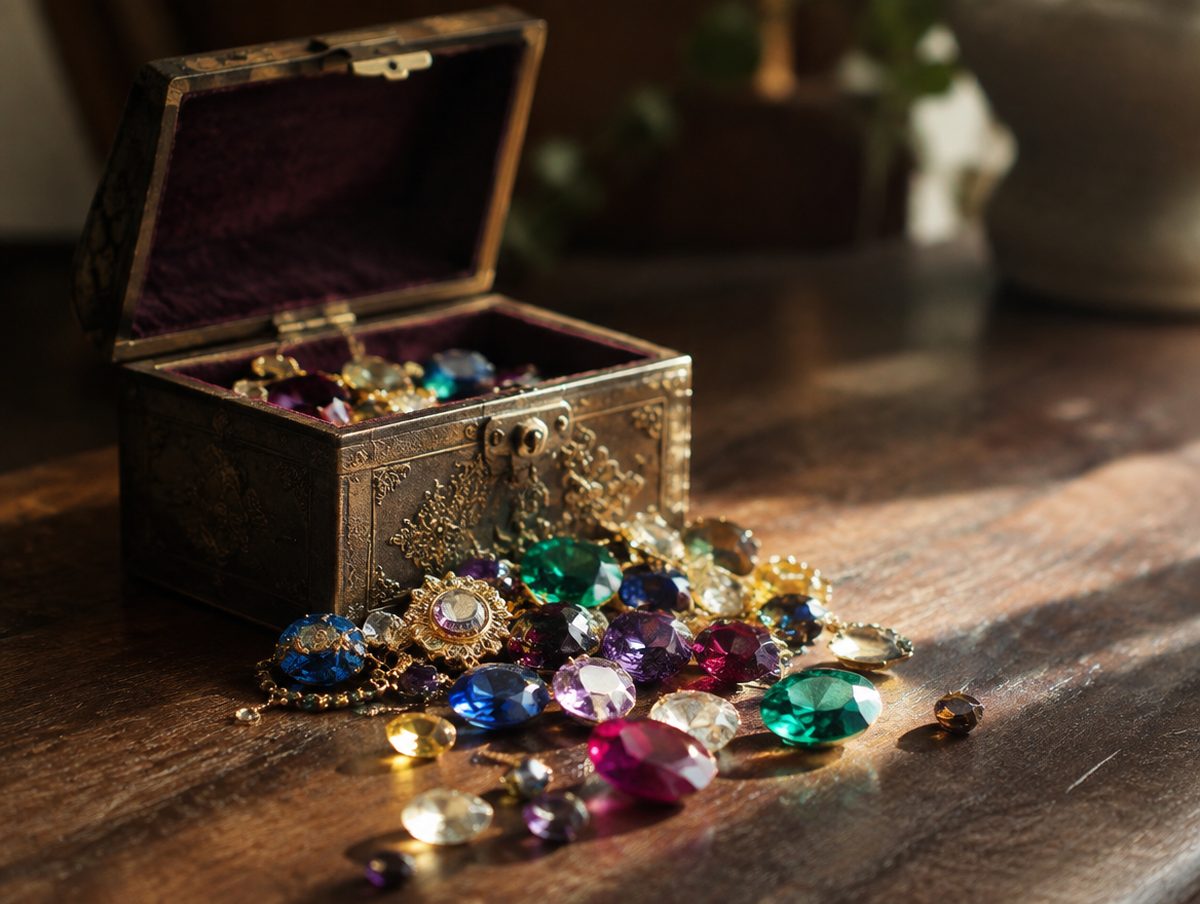
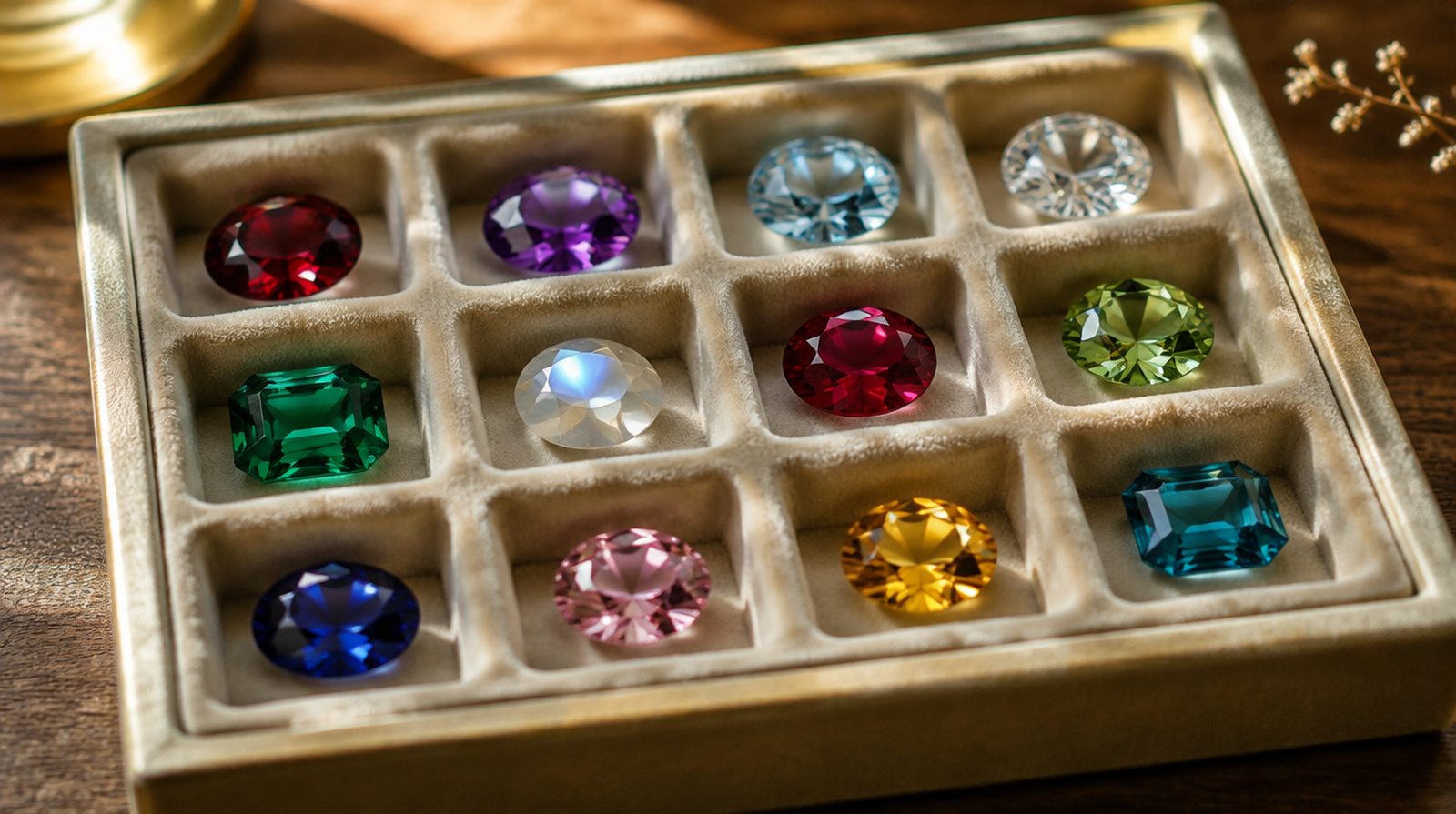
The birthstones, month by month
January: Garnet
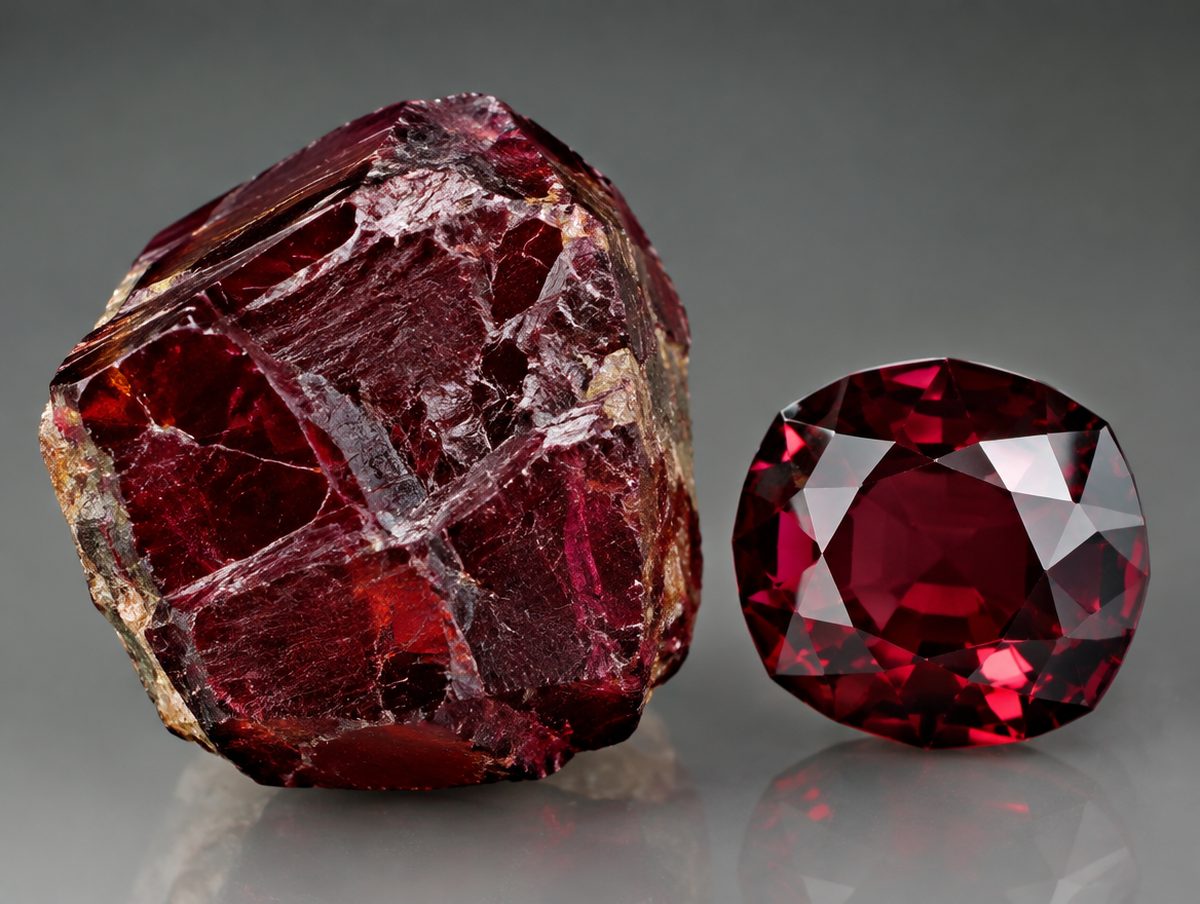
Garnet's name is often linked to the Latin word for pomegranate, a nod to the deep red seeds the most familiar garnets resemble. Garnets actually come in many colors, including greens and oranges. They are fairly durable and suit everyday jewelry.
February: Amethyst
Amethyst is purple quartz. Its name comes from an ancient Greek word usually translated as "not intoxicated," and old legends connected the stone with sobriety. Amethyst's color can fade with long exposure to strong sunlight, so store it out of bright windows.
March: Aquamarine and Bloodstone
Aquamarine takes its name from the Latin for "seawater," which suits its pale blue-green color. It belongs to the beryl family, the same mineral family as emerald. Bloodstone is a dark green chalcedony flecked with red, and it has long been carved into seals and small decorative objects.
April: Diamond
Diamond is pure carbon and the hardest natural material known, which is why it is so closely associated with permanence and lasting commitment. Even so, it can chip if struck hard at the wrong angle, so it still deserves care.
May: Emerald
Emerald is green beryl. Most emeralds contain natural inclusions, sometimes called the stone's jardin, French for "garden." Many emeralds are treated with oils or resins to improve their clarity, so avoid ultrasonic cleaners and harsh chemicals.
June: Pearl, Moonstone and Alexandrite
June has three stones. Pearls are organic gems formed inside mollusks, and they are soft, so put pearl jewelry on after perfume and hairspray. Moonstone is a feldspar with a soft, floating glow called adularescence. Alexandrite is a rare variety of chrysoberyl known for changing color between daylight and indoor light, and it is said to be named in honor of a Russian tsar.
July: Ruby
Ruby is red corundum, the same mineral as sapphire. It is very hard and durable, which makes it a good choice for rings. Its color has made it a symbol of passion and devotion in many cultures.
August: Peridot, Spinel and Sardonyx
Peridot is gem-quality olivine, a bright yellow-green stone that forms deep underground and is brought to the surface by volcanic activity. Spinel comes in many colors, and red spinels were historically mistaken for rubies; some famous "rubies" in historic crown jewels have turned out to be spinel. Sardonyx is banded chalcedony, long used for cameos and carved seals.
September: Sapphire
Sapphire is corundum in any color except red. Blue is the classic, but sapphires also come in pink, yellow, green and more. Like ruby, it is tough enough for everyday wear.
October: Opal and Tourmaline
Opal is known for its "play of color," flashes of rainbow light that shift as the stone moves. It contains water and is relatively delicate, so protect it from knocks and sudden temperature changes. Tourmaline comes in an enormous range of colors, and some crystals show more than one; pink-and-green "watermelon" tourmaline is a favorite.
November: Topaz and Citrine
Topaz occurs in many colors. Much of the blue topaz on the market has been treated to create its color. Citrine is yellow to orange quartz, and a lot of commercial citrine is heat-treated amethyst. Both treatments are common and accepted; a good seller will simply tell you.
December: Tanzanite, Zircon and Turquoise
Tanzanite is a violet-blue stone found commercially in only one small area of northern Tanzania. Zircon is a natural mineral with a lot of sparkle; it is not the same as cubic zirconia, which is a lab-made material. Turquoise is an opaque blue-green stone treasured across many cultures for thousands of years. It is porous, so keep it away from oils, lotions and water.
Choosing when a month has more than one stone
If your month lists several stones, you can choose freely. Some people pick the color they love most, some pick whichever suits their budget or lifestyle, and some collect all of them. There is no wrong answer.
- For everyday rings, harder stones such as sapphire, ruby, diamond and spinel handle daily knocks well.
- For pendants and earrings, softer stones such as pearl, opal and turquoise are easier to protect.
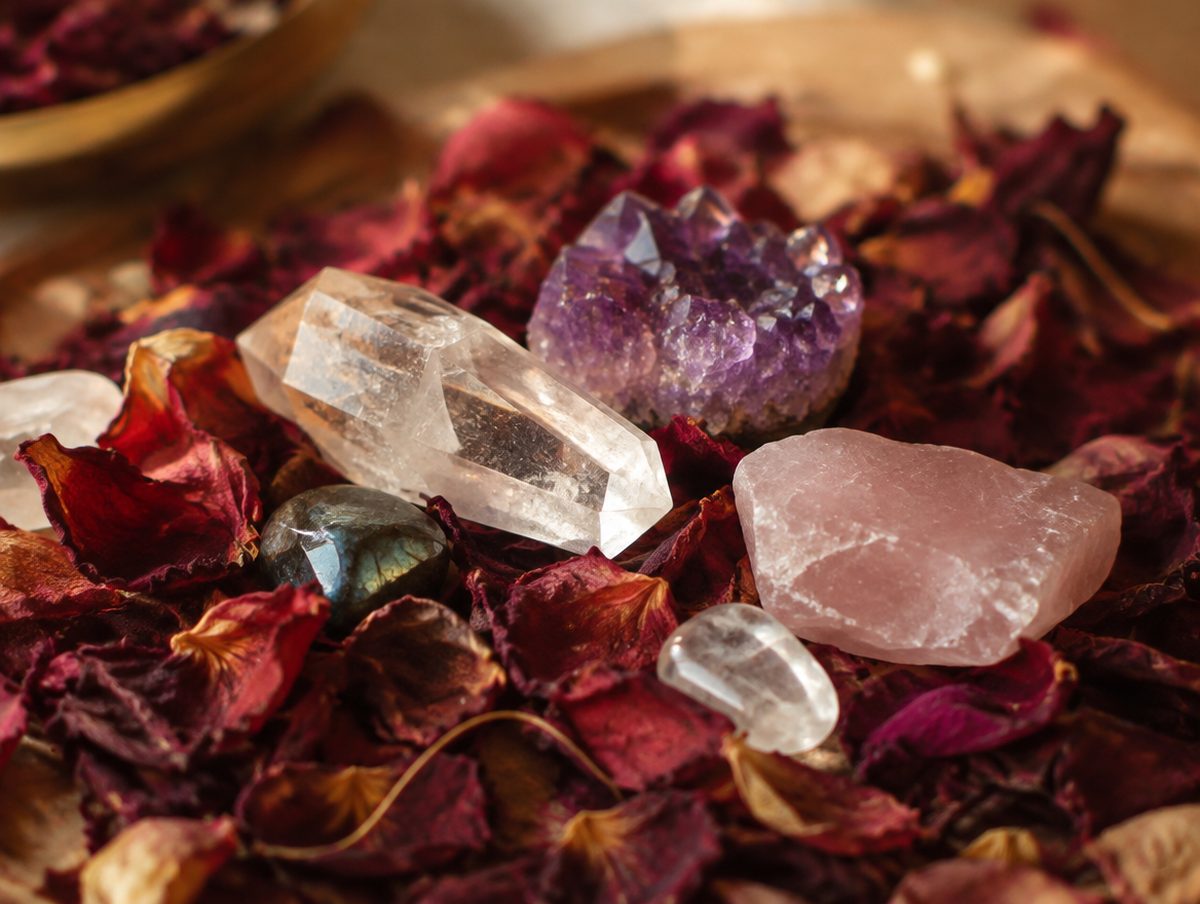
- For a crystal collection, a raw or tumbled version of a birthstone can be a lovely, affordable way to keep it close.
Caring for birthstone jewelry
A few simple habits keep most birthstones looking their best:
- Take jewelry off before cleaning, gardening, swimming or exercising.
- Clean most stones gently with warm water, mild soap and a soft brush, then dry them well. Skip water for porous stones such as turquoise and pearl, and wipe them with a soft, dry cloth instead.
- Store pieces separately so harder stones don't scratch softer ones.
- Ask a jeweler before using an ultrasonic or steam cleaner, as these can damage treated, included or delicate stones.
Tip: When you buy a birthstone, ask whether it is natural, lab-grown or treated. All three can be beautiful choices; the point is simply knowing what you have so you can care for it properly.
Birthstones as personal symbols
In modern crystal traditions, many people give their birthstone a personal meaning, perhaps a quality they want to carry through the year or a reminder of someone they love. Those meanings come from belief and tradition rather than science, and that is part of their charm. A birthstone is, above all, a story you can wear.
Quick answers
Which birthstone list should I use?
In the US, most jewelers use the modern list that was standardized in 1912 and updated several times since. Other countries and older traditions use slightly different lists, and some people prefer those. Any version is fine to follow; choose the one that feels meaningful to you.
What should I pick if my month has more than one birthstone?
Choose whichever you like best. Many people go by color, budget or how the stone will be worn. Harder stones like sapphire and spinel suit everyday rings, while softer stones like pearl and opal are easier to protect in pendants and earrings.
Are lab-grown birthstones still 'real'?
Lab-grown gems such as lab-grown diamonds, rubies and sapphires share the same basic makeup as the natural stones; they are simply formed in a lab rather than in the earth. Whether one feels right is a personal choice. What matters is that the seller clearly tells you which you are buying.